
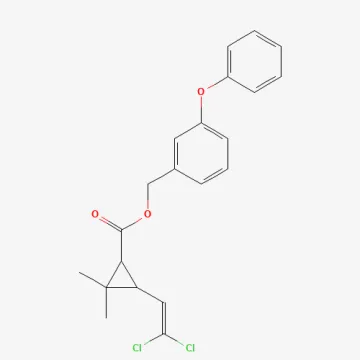
Phenothrin
Description
Mode of action
Phenothrin belongs to the first generation of synthetic pyrethroids. It is a broad-spectrum contact insecticide that actively affects the central and peripheral nervous system of harmful insects.
When it comes into contact with the insect's skin or is ingested, the substance disrupts the permeability of sodium channels in the nerve cell membranes. This leads to continuous depolarization of the membranes and the generation of uncontrolled nerve impulses.
As a result of the damage, insects quickly develop paralysis, known as the "knockdown effect." Due to paralysis, pests lose the ability to feed and move, and they die very quickly from dehydration and exhaustion.
The substance is characterized by significant lipophilicity, which allows it to quickly penetrate through the chitin layer of insects. It is effective even at moderately low air temperatures.
Phenothrin has moderate persistence in the environment. Under the influence of sunlight and atmospheric factors, it gradually degrades, which reduces the risk of residue accumulation in the crop when regulations are followed.
What it targets
The primary purpose of phenothrin is to control synanthropic and agricultural pests. It is highly effective against Lepidoptera, Diptera, and Coleoptera insects.
Formulations based on it are used to protect grain stocks in warehouses, as well as for disinsection of industrial and residential premises. It affects both adult insects and larvae of various pest species.
In field conditions, the spectrum of action includes a wide range of pests that damage vegetable, fruit, and field crops. It is effective against moths, leaf rollers, and cutworms.
The substance shows excellent results in killing household pests: flies, mosquitoes, cockroaches, bedbugs, and fleas. This makes it an important tool not only in agronomy but also in sanitary hygiene.
- Cockroaches and bedbugs
- Leaf-eating caterpillars
- Flies and mosquitoes
- Grain storage pests
Rates and timing
The application rates of phenothrin depend on the target object and the type of surface being treated. When used in enclosed spaces, aerosol forms or working solutions with a low concentration of the active ingredient are applied.
In agriculture, the dosage is calculated based on the area of the crops and the intensity of the infestation. It is important to evenly cover the plant surface with the working solution to ensure direct contact with the pest.
Waiting periods before harvest are usually minimal due to the rapid degradation of the substance, however, they must strictly comply with regional regulations and the safety data sheet of the specific product.
To prevent the development of resistance, it is recommended to alternate the use of phenothrin with insecticides from other chemical groups that have different modes of action.
Repeat treatments are carried out as needed, taking into account the life cycle of the specific pest. The maximum allowable number of treatments per growing season should not be exceeded.
Restrictions
Phenothrin is a moderately hazardous substance for warm-blooded animals, but it requires strict adherence to safety precautions when handled. It is necessary to prevent the product from getting on the skin, mucous membranes, and into the respiratory tract.
The product is extremely toxic to aquatic organisms, so it is strictly forbidden to allow residues of the agent to enter water bodies, fish ponds, or drainage systems.
Usage during the period of active bee flight requires restrictions. Treatments should be carried out in the morning or evening hours when the activity of beneficial insects is minimal, with a buffer zone maintained.
Storage should be carried out in the original packaging in dry, cool places, inaccessible to children and pets, and separate from food and feed.
During the work, smoking, drinking, and eating are prohibited. After the completion of disinsection, mandatory wet cleaning of the premises and ventilation for several hours is required.
Status in the European Union
Not approved in the EU
- CAS number
- 52645-53-1
- ADI
- 0.07 mg/kg bw/day
EU status is for reference only and does not replace national registration in your country.