
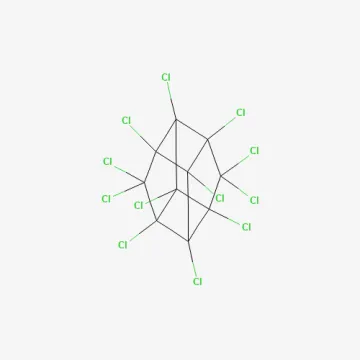
Mirex
Description
Mode of action
Mirex is a synthetic organochlorine compound that has been widely utilized in the past as an effective insecticide. Its primary mode of action involves exerting a potent neurotoxic effect on the central nervous system of target insect species.
Upon ingestion or contact, the substance causes a rapid disruption of nerve impulse transmission. This leads to severe hyperexcitability, convulsive muscle activity, paralysis, and ultimately the death of the target pest.
The chemical structure of Mirex renders it exceptionally resistant to both biological and environmental degradation. This stability ensures that the compound remains active for long periods, providing a persistent insecticidal effect within bait formulations.
A significant characteristic of this substance is its tendency toward bioaccumulation. It accumulates in the fatty tissues of organisms, meaning it can move up the food chain, posing systemic risks to non-target wildlife and predators.
Due to its high persistence and associated ecological risks, the mechanism of Mirex is now primarily studied in the context of environmental toxicology, as its use is severely restricted or banned globally under international conventions.
What it targets
Mirex was historically recognized for its success in controlling invasive ant species, specifically the red imported fire ant (Solenopsis invicta). Its ability to be carried into the nest by workers allowed for the systemic eradication of entire colonies.
Additionally, the compound was employed to manage termite populations in various structures and agricultural settings. Its long-lasting residual activity made it a preferred choice for creating protective chemical barriers.
In some agricultural practices of the mid-20th century, Mirex was applied to pastures to control specific insect pests that damaged forage crops. This provided temporary relief but resulted in long-term soil contamination.
Beyond agriculture, Mirex was used as a flame retardant in plastics and electrical materials. This industrial application contributed significantly to the global presence of the chemical in soils and aquatic environments through leaching.
In contemporary agronomy, the focus has shifted entirely away from Mirex toward safer, degradable alternatives that comply with modern safety standards and provide effective pest control without leaving persistent residues.
Restrictions
Mirex is classified as a Persistent Organic Pollutant (POP). It is known to persist in soil and sediment for decades, posing a continuous threat to the health of the soil microbiome and surrounding fauna.
Usage near water bodies is strictly prohibited due to its extreme toxicity to aquatic life. Even low concentrations can have deleterious effects on fish, amphibians, and invertebrates, disrupting the balance of aquatic ecosystems.
Any handling of materials containing this substance requires rigorous personal protective equipment. Mirex is lipophilic and can be absorbed through the skin, potentially leading to chronic systemic health complications for the operator.
The disposal of any remnants or containers containing Mirex must follow international hazardous waste protocols, typically involving high-temperature incineration to ensure the complete breakdown of the chlorinated structure.
Modern agricultural strategies strictly exclude the use of Mirex. Agronomists are encouraged to utilize Integrated Pest Management (IPM) practices, emphasizing biological controls and reduced-risk pesticides to ensure sustainability and consumer safety.
Status in the European Union
Not approved in the EU
- CAS number
- 2385-85-5
EU status is for reference only and does not replace national registration in your country.