
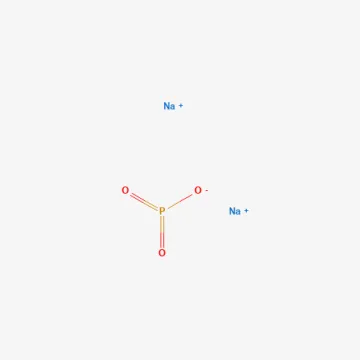
Disodium phosphonate
Description
Mode of action
Disodium phosphonate belongs to the phosphonate group and is a systemic active ingredient with pronounced fungicidal properties. Upon contact with the plant surface, the substance is quickly absorbed by tissues and moves through the xylem and phloem, providing protection for both aerial organs and the root system.
The mechanism of action is based on the direct inhibition of pathogen mycelium development, as well as the activation of the plant's natural immune mechanisms. Phosphonates stimulate the synthesis of phytoalexins — specific defensive proteins that make plant tissues more resistant to fungal infection.
Unlike contact-acting preparations, disodium phosphonate is capable of preventing primary infection and blocking sporulation. This characteristic makes it an effective tool in preventive protection schemes, especially in conditions of high risk of epiphytotics.
The substance does not undergo significant metabolic degradation inside the plant, which ensures a prolonged period of protective action. This allows for a reduction in the number of treatments during the growing season while complying with application regulations.
An important feature of this group is their ability to affect oomycetes, which have high reproduction rates. By blocking the energy metabolism in fungal cells, the substance stops colony growth within just a few hours after penetrating the tissues.
What it targets
Disodium phosphonate and its based preparations are primarily used to combat diseases caused by lower fungi (oomycetes). The substance shows the highest efficacy in controlling late blight, downy mildew, and other related fungal diseases.
The preparation is widely used for protecting a wide range of agricultural crops, including potatoes, field and greenhouse vegetable crops, vineyards, and fruit plantations. It is essential for managing root rots and gray mold caused by specific pathogens.
Rates and timing
Application rates depend on the type of crop, the severity of the infection, and the climatic conditions of a specific region. Typically, working solutions are prepared according to the manufacturer's instructions, considering the crop's growth stage, from seedling to active fruiting.
Optimal application timing coincides with the periods of active crop growth when the risk of fungal spore dissemination is at its highest. To achieve maximum effect, it is recommended to carry out preventive treatments before visible symptoms of infection appear.
Restrictions
When working with disodium phosphonate, it is necessary to follow individual protection measures, including the use of gloves, respirators, and protective clothing. The preparation requires proper storage in a place inaccessible to children and animals, away from food products.
It is not recommended to mix the preparation with fertilizers containing high concentrations of calcium, as this may lead to precipitate formation and decreased efficacy. It is also crucial to adhere to pre-harvest intervals specified in the application regulations for each specific crop.
Status in the European Union
Approved in the EU
- CAS number
- 13708-85-5
- Approved from
- 01.02.2014
- Approval until
- 31.07.2029
- ADI
- 1.0 mg/kg bw/day
- ARfD
- Not appl.
- AOEL
- 2.0 mg/kg bw/day
EU status is for reference only and does not replace national registration in your country.