
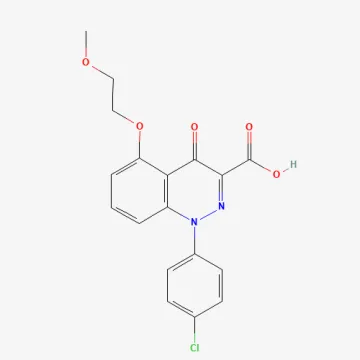
Sintofen
Description
Mode of action
Syntofen belongs to the class of urea derivatives and acts as a selective systemic herbicide used in modern crop production.
The primary mechanism of action involves the inhibition of photosynthesis within the cells of target weed species by blocking the Hill reaction.
The substance is primarily absorbed through the root system, making it highly effective when applied to the soil during the early stages of plant development.
Once absorbed, the active ingredient interrupts electron transport, leading to a cessation of plant growth and eventual death of the susceptible weeds.
Crop plants possess metabolic processes that allow them to neutralize the active substance, ensuring selectivity and preventing phytotoxicity in protected cultures.
What it targets
This group of herbicides is designed to control a broad spectrum of annual broad-leaved weeds that compete with agricultural crops for nutrients and moisture.
Target species typically include common weeds such as pigweed, shepherd's purse, and various mustard varieties during their early growth stages.
The main objective of application is to ensure early season weed control, which is critical for maximizing potential crop yields.
The substance also offers suppressive effects against certain annual grasses, provided the application timing is correctly managed.
By effectively suppressing weed populations, the herbicide allows the desired crop to establish a competitive advantage during its most sensitive growth phases.
Rates and timing
Application rates are highly dependent on soil texture, organic matter content, and the specific requirements of the cultivated crop.
Generally, higher rates are required for heavier, clay-rich soils, while lower rates are sufficient for lighter, sandy soils to prevent crop damage.
Optimal application timing usually occurs either pre-planting, during planting, or pre-emergence, depending on the agricultural technology being used.
Achieving a uniform distribution of the herbicide across the field is essential for consistent results and successful weed management.
Soil moisture levels must be monitored before application, as adequate moisture is necessary for the substance to be effectively translocated into the weed's root system.
Restrictions
Application should be avoided during high wind conditions to prevent spray drift, which could damage sensitive surrounding vegetation.
Excessive soil moisture is a limiting factor, as it can cause the active ingredient to leach into deeper soil layers, potentially harming the crop.
Strict adherence to personal protective equipment (PPE) guidelines is mandatory when handling the chemical to protect skin, eyes, and respiratory systems.
Equipment must be thoroughly cleaned with appropriate neutralizing agents after use to avoid cross-contamination in subsequent spraying operations.
Environmental precautions must be strictly followed, ensuring that the chemical does not enter water bodies or sensitive non-target habitats.
Status in the European Union
Approved in the EU
- CAS number
- 130561-48-7
- Category (EU)
- PG - Plant growth regulator
- Approved from
- 01.06.2011
- Approval until
- 15.01.2030
- ADI
- 0.091 mg/kg bw/day
- ARfD
- Not appl.
- AOEL
- 0.165 mg/kg bw/day
EU status is for reference only and does not replace national registration in your country.