
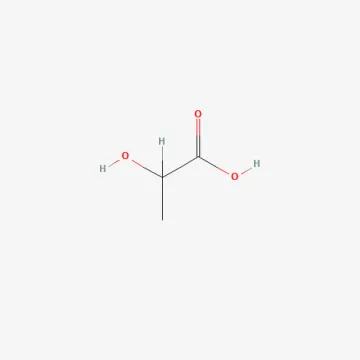
Lactic acid
Description
Mode of action
Lactic acid is an organic compound utilized in agriculture as a natural biopesticide with primarily contact-based activity against various plant pathogens.
Its mechanism of action involves altering the pH level on the plant surface, creating an acidic environment that inhibits the germination of fungal spores and growth of mycelium.
The substance disrupts the integrity of the cell walls of harmful microorganisms, causing rapid dehydration and death, which significantly reduces the pathogen pressure.
Beyond its direct fungicidal effect, lactic acid stimulates the plant's systemic resistance, prompting the crop to activate its own natural defense mechanisms against biotic stress.
It is valued for its high environmental safety profile, as it undergoes rapid biodegradation in the soil into water and carbon dioxide, leaving no toxic residues on the harvest.
What it targets
Lactic acid is primarily used as a fungicide to control surface-dwelling pathogens, particularly those responsible for powdery mildew on vegetables, fruits, and flowers.
It effectively suppresses the spread of various bacterial infections on leaf surfaces, helping to prevent the rapid development of outbreaks in greenhouse environments.
The substance is a staple in organic and sustainable farming systems where the use of conventional chemical synthetic pesticides is restricted due to environmental standards.
It acts as a prophylactic measure, reducing the general disease load in agricultural settings and improving the overall sanitary condition of the crop canopy.
In addition to crop treatment, it serves as an excellent disinfectant for agricultural machinery and tools, preventing the mechanical transfer of pathogens between fields.
Rates and timing
Application rates for lactic acid are highly dependent on the specific formulation and the target crop, requiring strict adherence to the manufacturer's technical label.
Standard protocols usually involve preventative sprays or treatments at the early onset of disease symptoms, typically repeated every 7 to 14 days depending on weather conditions.
Effective control requires thorough and uniform coverage of all plant surfaces, particularly the undersides of leaves where fungal spores often initiate infection.
The best time for application is early morning or late evening, as high temperatures during the day can cause premature evaporation and reduce the contact efficacy.
- Always mix with clean, pH-neutral water.
- Prepare fresh solutions immediately before use.
- Ensure the spray equipment is properly calibrated for even distribution.
Restrictions
When handling concentrated forms of lactic acid, operators must wear appropriate personal protective equipment to prevent skin and eye irritation or chemical burns.
Over-application or excessive concentrations can potentially cause phytotoxicity, resulting in leaf spotting or burns, especially under conditions of high heat and low humidity.
Lactic acid may show incompatibility with certain biological control agents, so it is crucial to perform a compatibility test before mixing it into a tank solution.
Storage requires cool, dry conditions in tightly sealed containers to prevent degradation and ensure the stability of the active ingredient throughout its shelf life.
Avoid applying the product shortly before predicted rain, as the active ingredient can be washed off the plant surface, significantly reducing the protective benefit of the treatment.
Status in the European Union
Not approved in the EU
- CAS number
- 50-21-5
- Category (EU)
- PG - Plant growth regulator
EU status is for reference only and does not replace national registration in your country.