
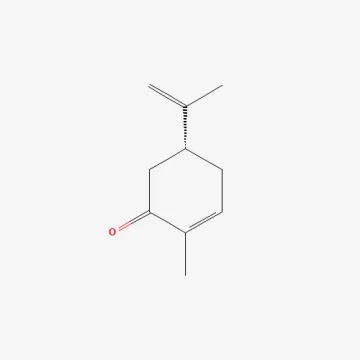
L-Carvone
Description
Mode of action
L-Carvone is a naturally occurring terpenoid found in the essential oils of various plants, most notably spearmint. In agriculture, it is employed as a highly effective, nature-identical inhibitor of sprouting for stored root and tuber crops.
The mechanism of action involves the physiological inhibition of meristematic cells in the potato eyes. By penetrating the tissues, L-Carvone prevents cell division, effectively maintaining the tuber in a state of dormancy for extended periods.
The substance acts as a fumigant. When applied in a closed storage environment, it transitions into a vapor phase, ensuring uniform distribution throughout the pile of produce as it is circulated by the storage ventilation system.
Being a natural plant extract, L-Carvone is environmentally friendly and leaves no toxic residues on the final product, which is a major advantage for sustainable and organic farming practices.
Beyond sprout control, L-Carvone helps in maintaining the textural integrity of the tubers, as it prevents the translocation of nutrients to new shoots, thus preserving the starch content and marketability of the potatoes.
What it targets
The primary crop for L-Carvone application is potato (Solanum tuberosum). It is used to extend the shelf life of potatoes in commercial warehouse facilities.
In addition to its anti-sprouting properties, the substance exhibits mild fungistatic effects, helping to mitigate the development of superficial fungal colonies on the surface of stored tubers.
It is particularly useful for commercial potato varieties that have a short dormancy period, helping to manage storage duration without the need for extreme cooling regimes.
L-Carvone is strictly for post-harvest use. It is not intended for field application or for treating growing crops, as its volatile nature makes it ineffective in open-air environments.
Target users include operators of large-scale potato storage facilities who require a residue-free solution to ensure the crop remains in top condition until the end of the market season.
Rates and timing
Application rates for L-Carvone are typically calculated in grams of active ingredient per ton of stored potatoes, depending on the volume of the storage facility and the ventilation efficiency.
The initial treatment should be administered once the potatoes have undergone the curing process and are cooled to the target storage temperature, but strictly before any visible signs of sprouting appear.
Repeat treatments may be necessary depending on the length of the storage period, the storage temperature, and the specific dormancy characteristics of the potato variety being stored.
The application requires the use of specialized evaporation equipment integrated into the storage facility's ventilation system to ensure that the required concentration of the vapor is maintained consistently.
Regular monitoring of sprout development and internal storage conditions is recommended to fine-tune the timing and dosage for subsequent applications.
Restrictions
The primary technical constraint is the requirement for a well-sealed storage facility. Any significant leakage of air will dilute the concentration of L-Carvone, rendering the suppression ineffective.
L-Carvone has a strong, distinct odor, which necessitates the use of proper respiratory protection for personnel during the setup and operation of the treatment equipment.
Compatibility with storage infrastructure must be verified, as certain plastic materials and seals used in ventilation systems can be susceptible to damage from prolonged exposure to terpenoids.
Treated potatoes are intended for fresh market or processing and should not be used as seed potatoes without testing, as the suppressed sprouting may persist even after the potatoes are removed from storage.
Storage of the concentrated substance must follow strict safety guidelines for flammable liquids, including keeping it away from heat sources and maintaining the original packaging integrity.
Status in the European Union
Pending
- CAS number
- 6485-40-1
- Category (EU)
- PG - Plant growth regulator
EU status is for reference only and does not replace national registration in your country.