
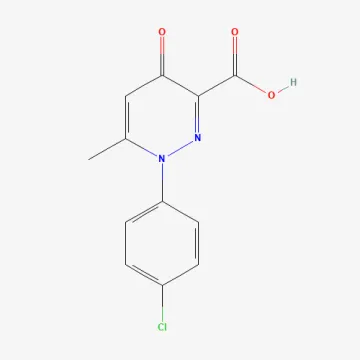
Fenridazon
Description
Mode of action
Phenirazone belongs to the pyrazole derivative chemical class and acts as a selective systemic herbicide. Its primary mode of action involves disrupting photosynthesis within susceptible weed species.
The active ingredient is absorbed primarily through the root system and, to a lesser extent, through foliage. Once inside the plant, it translocates via the xylem to the meristematic tissues and leaves.
The substance inhibits the electron transport chain in Photosystem II, which effectively blocks the light-dependent phase of photosynthesis. This cessation of energy production stops weed growth.
Selectivity is achieved through the ability of protected crops to metabolize the compound into non-toxic forms more rapidly than the target weeds. This metabolic process ensures the safety of the main crop.
The overall efficacy of Phenirazone is highly dependent on soil moisture and climatic conditions. Adequate soil moisture is essential for the efficient root uptake of the herbicide.
What it targets
Phenirazone is effective against a broad range of annual broad-leaved weeds in cereal and industrial crops. It is particularly valued for its reliability in early-stage weed management.
Key targeted weed species include common lambsquarters, redroot pigweed, shepherd's purse, and various knotweed species. It demonstrates high activity against young seedlings.
It has limited efficacy against perennial weeds with deep root systems. In areas with significant perennial weed pressure, tank mixtures with complementary herbicides are often required.
The spectrum of weeds controlled can vary based on regional resistance patterns. Farmers should perform field scouting to determine the optimal timing for application.
The highest susceptibility of weeds to Phenirazone occurs at the cotyledon or first true leaf growth stages. Early application provides the most significant competitive advantage to the crop.
Rates and timing
Application rates are adjusted based on soil texture and organic matter content. Lighter soils generally require lower dosages to ensure crop safety while maintaining herbicidal efficacy.
The timing of application is strictly regulated by the developmental stage of the crop. Following the label instructions regarding growth stages is critical to avoid potential phytotoxicity.
The optimal temperature for application ranges between 10 and 25 degrees Celsius. Extreme temperatures may affect the metabolic rate of the herbicide within the plant tissues.
Uniform spray coverage is essential for the product to function correctly. The use of high-quality nozzles and correct pressure settings ensures optimal delivery to the target area.
Multiple applications within a single growing season are generally not recommended to prevent soil residue buildup. Adherence to the specified usage rates is mandatory.
Restrictions
A primary consideration when using this herbicide is its residual activity in the soil. Crop rotation schedules must be managed according to the product's degradation profile.
Applications should be avoided during high wind speeds to prevent spray drift to adjacent fields. Avoiding application before heavy rain is also necessary to prevent run-off.
Operators must wear appropriate personal protective equipment (PPE) when handling the product. Phenirazone requires strict adherence to safety protocols for human and environmental health.
Disposal of waste products and equipment cleaning solutions must comply with local environmental regulations. Preventing contamination of water sources is a top priority.
Storage should be conducted in secure, ventilated, and dry facilities. Containers must remain tightly sealed and protected from extreme heat and direct sunlight to maintain product integrity.
Status in the European Union
Not approved in the EU
- Category (EU)
- PG - Plant growth regulator
EU status is for reference only and does not replace national registration in your country.