
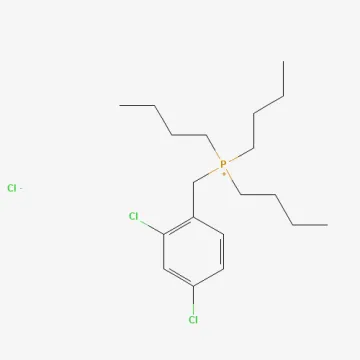
Chlorphonium chloride
Description
Mode of action
Chlorphonium chloride belongs to the class of synthetic plant growth regulators known as retardants. Its primary function is to inhibit the biosynthesis of gibberellins within plant tissues.
The substance acts directly on the meristematic zones of the plant, significantly slowing down cell division and elongation in the stem. This results in shortened internodes and a sturdier plant structure.
This physiological effect redirects the plant's resources from excessive vegetative growth toward more balanced development. It helps create a more compact and resilient plant morphology.
Unlike herbicides, chlorphonium chloride is designed to modify, not eliminate, plant growth. It maintains plant health while effectively limiting its vertical height during sensitive growth stages.
The application of this compound enhances stem strength, which is vital for preventing lodging in field crops. This resilience allows plants to better withstand adverse environmental stress.
What it targets
Chlorphonium chloride is primarily utilized in horticulture and nursery production for ornamental plants and specific vegetable seedlings that tend to become leggy.
It is highly effective against abnormal stem elongation caused by low light intensity in greenhouses. The product ensures that seedlings remain compact and manageable before transplanting.
- Ornamental flowering plants (chrysanthemums, petunias, etc.).
- Vegetable transplants in high-density indoor conditions.
- Technical crops requiring canopy management for better yield efficiency.
The regulator is used to create denser, more aesthetically pleasing foliage in potted plants. This is a key factor for quality control in commercial greenhouse flower production.
In addition, it serves as a tool in plant breeding and research programs to regulate the growth habit of experimental varieties, facilitating easier observation and data collection.
Restrictions
Precise application and adherence to dosage guidelines are critical when using chlorphonium chloride, as excessive concentrations can cause stunting and tissue necrosis.
Operators must wear appropriate personal protective equipment, including gloves and respirators, to avoid skin and respiratory irritation during the handling and spraying process.
Timing is essential; applications during the active flowering phase should be avoided to prevent detrimental effects on bloom quality and general flower development.
Check for chemical compatibility before creating tank mixes with other fertilizers or pesticides, as some substances may react negatively with chlorphonium chloride.
The product must be stored in its original, sealed packaging in a cool, dry place. Access should be restricted to trained personnel to ensure safe agricultural management.
Status in the European Union
Not approved in the EU
- CAS number
- 115-78-6
- Category (EU)
- PG - Plant growth regulator
EU status is for reference only and does not replace national registration in your country.