
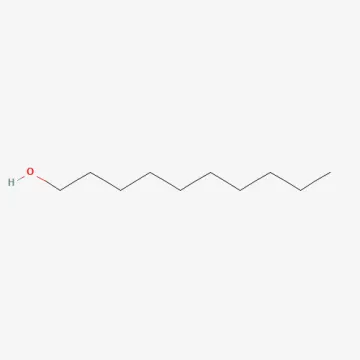
1-Decanol
Description
Mode of action
1-Decanol belongs to the group of fatty alcohols (saturated aliphatic alcohols) and serves as a contact plant protection product with multipurpose utility.
Its mode of action is based on the physicochemical impact on the surface of plant tissues, specifically by disrupting the cuticular wax and epidermal cells at the contact site.
Upon application to young and delicate tissues, the preparation causes rapid desiccation (necrosis) by damaging cell membranes, leading to dehydration of the treated plant parts.
The substance possesses a pronounced contact effect, meaning it does not translocate within the plant's vascular system and acts exclusively on the organs covered by the spray solution.
From a physiological perspective, 1-Decanol can also exhibit growth regulator properties, effectively inhibiting the development of unwanted buds and young shoots without damaging the main stem.
What it targets
The primary use of 1-Decanol in agricultural practice is the control of unwanted sucker growth in tobacco crops, where it acts as a chemical desiccant for suckers.
The compound is also utilized as a contact herbicide for the destruction of young weed vegetation in the rows of various cultivated plants.
In some instances, it is used for the desiccation (drying out) of potato haulms prior to harvest, which facilitates the technical harvesting process and reduces the risk of tuber disease development.
It is applied to combat a wide spectrum of broad-leaved and grass weeds currently in the active initial growth phase, as mature plants possess a denser cuticle.
The efficacy of the preparation directly depends on the quality of surface coverage, making it crucial to ensure uniform droplet distribution across the entire area of the weed foliage.
Rates and timing
Application rates of 1-Decanol depend on the developmental stage of the target object and the specific crop, with standard working solution concentrations typically ranging from 2 to 5 percent.
For tobacco suckering, treatment is performed immediately after flower removal or when suckers reach a specific size, strictly adhering to the pre-harvest intervals defined in the product regulations.
For the herbicide to be effective, it is important to perform spraying during dry weather, as precipitation shortly after application can significantly reduce the product's performance.
The spray volume per hectare is determined based on plant density and the type of spraying equipment used to ensure fine droplet misting.
Treatment timing must be synchronized with the growth stages of the weeds, as 1-Decanol has limited impact on overgrown specimens.
Restrictions
The primary limitation is the strictly contact nature of the action: the substance lacks systemic activity and therefore requires thorough wetting of the weed surface.
There is a risk of phytotoxicity to cultivated plants if the preparation lands on their green parts; therefore, the use of protective shields when working in inter-rows is mandatory.
Personal protective equipment must be worn when handling 1-Decanol, as the product can cause irritation to skin and mucous membranes.
Storage should be conducted in sealed containers in a cool, well-ventilated area, away from sources of open flame and food products.
Treatment should not be performed during extreme temperatures or high winds to prevent spray drift onto neighboring crops sensitive to fatty alcohol exposure.
Status in the European Union
Approved in the EU
- CAS number
- 112-30-1
- Category (EU)
- PG - Plant growth regulator
- Approved from
- 01.06.2011
- Approval until
- 30.06.2028
EU status is for reference only and does not replace national registration in your country.