
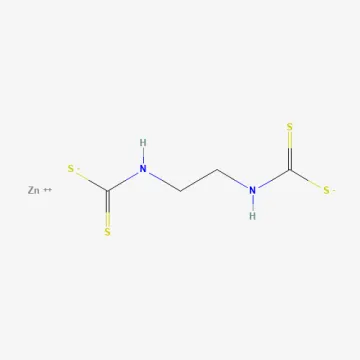
Zineb
Description
Mode of action
Zineb belongs to the ethylenebisdithiocarbamate class of chemicals. It functions as a broad-spectrum contact fungicide, creating a protective barrier on the plant surface to inhibit fungal spore germination.
The mode of action involves disrupting the metabolic pathways of pathogens. By inhibiting specific enzymes, Zineb effectively blocks the respiratory processes and amino acid synthesis within the fungal cells.
Since it is a contact fungicide, it does not penetrate plant tissues and must be applied preventively to ensure the surface is coated before the pathogen attempts to infect the plant.
The compound provides a stable protective layer that is resistant to rapid degradation, though it must be reapplied if washed away by significant rainfall or overhead irrigation.
Zineb remains a valuable tool in resistance management programs, as its multi-site mode of action makes it difficult for fungi to develop resistance compared to systemic fungicides.
What it targets
Zineb is widely used to control late blight in potatoes and tomatoes, as well as various types of rust affecting cereal crops across the globe.
It is effective against downy mildew (peronospora) on vegetable crops, vineyards, and various ornamental plants, preventing leaf lesions and fruit rot.
The substance also controls various leaf spot diseases and anthracnose, providing protection to foliage and developing fruits throughout the growing season.
In orchards, it is utilized to manage scab infections on apple and pear trees, safeguarding the quality of the harvest against fungal blemishes.
- Late blight of potatoes
- Downy mildew of vegetables
- Cereal rust diseases
- Grapevine mildew
- Leaf spot and anthracnose
Rates and timing
Application rates are determined by the crop type and disease pressure, generally ranging from 0.4 to 0.8 kg of active ingredient per hectare for field applications.
Spraying should be performed during calm weather conditions to ensure uniform coverage of the foliage, which is critical for the efficacy of any contact fungicide.
The frequency of application depends on environmental conditions; high humidity and rainfall may require more frequent spraying to maintain a protective barrier on new growth.
The protective residual effect typically lasts between 7 to 12 days, depending on the intensity of the infection and the speed of plant development.
A mandatory pre-harvest interval of 20–30 days must be observed to ensure that residues are within acceptable safety limits for human consumption.
Restrictions
Zineb is moderately toxic and requires the use of personal protective equipment, including gloves, goggles, and respiratory masks, to prevent skin and inhalation exposure.
The substance poses risks to aquatic organisms and pollinators; therefore, applications must avoid water runoff and be timed to avoid peak bee activity.
Do not mix Zineb with highly alkaline pesticides or copper-based compounds, as this may compromise the chemical stability and efficacy of the product.
Storage must be maintained in a cool, dry, and secure location away from food, animal feed, and areas accessible to unauthorized personnel or children.
Proper disposal of equipment washings and leftover solutions is required to comply with environmental regulations and prevent contamination of soil and water resources.
Status in the European Union
Not approved in the EU
- CAS number
- 12122-67-7
- Category (EU)
- FU - Fungicide
- ADI
- 0.03 mg/kg bw/day
EU status is for reference only and does not replace national registration in your country.