
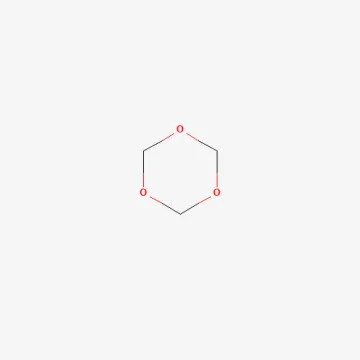
Trioxymethylene
Description
Mode of action
Trioxymethylene, commonly known as paraformaldehyde, acts as a solid polymer that releases formaldehyde gas when subjected to specific temperature and moisture conditions.
Its primary mechanism involves the alkylation of protein amino groups within microbial cells, leading to irreversible denaturation and the rapid destruction of pathogens.
The substance functions as a potent vapor-phase disinfectant, capable of reaching cracks, porous surfaces, and equipment components that liquid sprays cannot effectively penetrate.
This mode of action is particularly efficient at controlling a wide range of bacteria, viruses, and fungal spores, making it a critical tool for pre-planting sanitation.
The effectiveness of the gas is highly dependent on environmental conditions, where higher humidity levels facilitate the hydrolysis and release of the active formaldehyde component.
What it targets
The primary use is the fumigation of empty livestock buildings, warehouses, and greenhouses to eliminate infectious agents before introducing new animals or crops.
It is effective against mold and fungal growth that impacts wooden structures and cold storage facilities, helping to protect harvested crops from post-harvest rot.
Used to disinfect agricultural tools, crates, and specialized equipment, ensuring they are free from microbial contamination before being reused in production cycles.
It provides an essential sanitation step in greenhouse management to mitigate the carry-over of soil-borne pathogens and systemic infections from one growing season to the next.
The compound is also utilized for general laboratory or facility hygiene where chemical-free surfaces are required to prevent cross-contamination.
Rates and timing
Application rates are determined by the cubic volume of the area requiring treatment and the specific target level of decontamination required by agricultural protocols.
Successful fumigation requires rigorous sealing of the treated facility to maintain the necessary concentration of the gas for the duration of the exposure period.
The duration of exposure typically ranges from 12 to 24 hours, depending on the volume and the type of pathogens present, followed by a mandatory aeration phase.
Proper heating equipment must be utilized to ensure controlled release of the gas, avoiding incomplete vaporization which could leave residues behind.
Strict monitoring of the concentration levels during the process ensures that the target microbial kill rate is achieved without wasting the chemical agent.
Restrictions
Trioxymethylene is highly toxic and irritant, necessitating the use of full personal protective equipment (PPE), including respirators and chemical-resistant clothing, by all operators.
Under no circumstances should fumigation occur when animals or humans are present; re-entry is only permitted after certified aeration and air quality testing.
Storage must be strictly controlled in a cool, dry, and well-ventilated area, keeping the substance tightly sealed to prevent accidental exposure or moisture-induced decomposition.
The substance should be stored away from strong oxidizing agents to prevent hazardous chemical reactions that could result in fire or uncontrolled toxic gas release.
Proper waste management and compliance with local environmental regulations regarding chemical disposal are mandatory to prevent any negative impact on the ecosystem.
Status in the European Union
Not approved in the EU
- CAS number
- 110-88-3
- Category (EU)
- FU - Fungicide
EU status is for reference only and does not replace national registration in your country.