
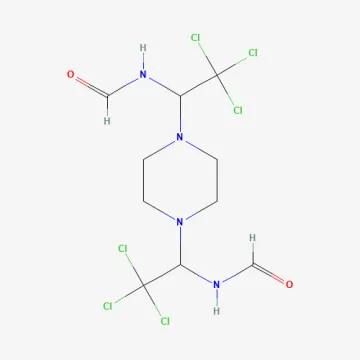
Triforine
Description
Mode of action
Triforine belongs to the piperazine chemical class and acts as a systemic fungicide with significant protective and curative properties.
Its mechanism of action involves inhibiting the biosynthesis of ergosterol in fungal pathogen cells, which is essential for the formation of their cell membranes.
Due to its high systemic activity, the active ingredient quickly penetrates plant tissues and translocates acropetally, protecting untreated parts and new growth.
The product effectively inhibits mycelial growth and spore production, allowing for the arrest of the infection process during the early stages of disease development.
The efficacy of the substance is evident even with short-term contact with fungal mycelium, making it a reliable tool in integrated plant protection strategies.
What it targets
This fungicide is most effective in controlling pathogens from the Ascomycetes, Basidiomycetes, and some Deuteromycetes groups.
Its primary application spectrum includes protection against powdery mildew, which affects a wide range of agricultural and ornamental crops.
The product shows excellent results in controlling various types of rust affecting cereal crops as well as berry-bearing shrubs.
Triforine is also used to combat scab on fruit trees, such as apples and pears, effectively preventing significant harvest losses.
It is effective against various leaf spot pathogens and specific types of rot that reduce the marketability and quality of harvested produce.
Rates and timing
Application rates for triforine vary depending on the crop type, the severity of the infection, and environmental conditions at the time of application.
It is recommended to initiate treatment as soon as the first symptoms of the disease appear, preventing the mass spread of the infection across the field.
The interval between repeated treatments typically ranges from 7 to 14 days, which is determined by the duration of the substance's protective effect on specific crops.
Ensuring uniform coverage of the leaf surface with the working solution is crucial for the systemic properties of the fungicide to manifest effectively.
When creating a spraying schedule, it is essential to consider the phenological stages of plant development to avoid negative effects on the yield during flowering or maturation.
Restrictions
A primary limitation in using triforine is the strict adherence to pre-harvest intervals to prevent the accumulation of residual amounts in the final product.
Treatments during periods of extreme heat or high air humidity are not recommended unless specified by the product label.
To prevent the development of resistance in pathogens, triforine should be alternated with fungicides from other chemical groups with different modes of action.
Personnel working with the substance must use personal protective equipment to prevent contact with skin, mucous membranes, and respiratory organs.
The product is moderately toxic to some beneficial insects, so application timing should be adjusted to account for the activity of bees and other beneficial entomofauna.
Status in the European Union
Not approved in the EU
- CAS number
- 26644-46-2
- Category (EU)
- FU - Fungicide
- ADI
- 0.02 mg/kg bw/day
EU status is for reference only and does not replace national registration in your country.