
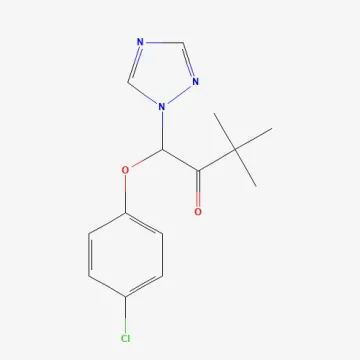
Triadimefon
Description
Mode of action
Triadimefon is a powerful systemic fungicide belonging to the triazole chemical class, widely used in professional agriculture for crop protection.
The primary mode of action involves the inhibition of ergosterol biosynthesis, which is a critical component for maintaining fungal cell wall integrity.
Upon application, the substance is rapidly absorbed by plant tissues and translocated acropetally, providing comprehensive systemic protection.
This systemic movement ensures that new growth is also shielded from potential fungal infections after the initial spraying session.
The compound acts effectively by providing both protective and curative benefits, allowing for control even after the first symptoms have emerged.
What it targets
Triadimefon is characterized by a broad spectrum of activity, effectively targeting various fungal pathogens that cause severe economic damage to crops.
It is specifically noted for its high efficacy against pathogens belonging to the powdery mildew group across various botanical families.
- Powdery mildew (various species)
- Stem rust and leaf rust
- Septoria leaf blotch
- Rhynchosporium
- Smut diseases in cereals
- Oidium on grapevines
Rates and timing
Application rates for Triadimefon are strictly determined based on the target crop, disease intensity, and specific local environmental conditions.
For cereal crop protection, typical rates range from 0.15 to 0.3 kg of active ingredient per hectare, depending on the growth stage.
For horticultural and orchard applications, precise dosage calculations are necessary to maintain efficacy while adhering to strict pre-harvest intervals.
Timing of application is crucial; early treatment at the onset of disease provides the highest level of control and yield preservation.
Repeated applications may be required in high-pressure years, but intervals must be respected to avoid unnecessary chemical exposure to the environment.
Restrictions
A critical concern with Triadimefon use is the potential for fungal resistance, which necessitates a strategic approach to fungicide management.
Growers are strongly advised to rotate Triadimefon with fungicides that possess different modes of action to maintain long-term product effectiveness.
Users must strictly follow all safety precautions, including wearing adequate personal protective equipment during the preparation and application process.
Environmental protection is paramount; prevent any runoff into streams, ponds, or groundwater to avoid contamination of aquatic ecosystems.
Proper storage in dedicated, locked, and dry facilities is required to ensure the stability of the active ingredient and prevent accidental exposure.
Status in the European Union
Not approved in the EU
- CAS number
- 43121-43-3
- Category (EU)
- FU - Fungicide
- ADI
- 0.03 mg/kg bw/day
- ARfD
- 0.08 mg/kg bw
EU status is for reference only and does not replace national registration in your country.