
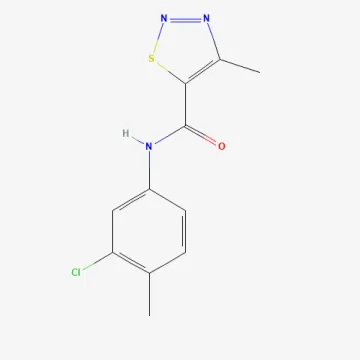
Tiadinil
Description
Mode of action
Tiadinil is a chemical compound from the thiazolecarboxamide class that functions primarily as a systemic acquired resistance (SAR) inducer.
Unlike traditional contact or systemic fungicides, it does not exert direct toxicity against fungal pathogens but instead primes the plant's natural defense systems.
By activating specific genes related to plant defense, it triggers the production of phytoalexins and pathogenesis-related proteins.
The signal transduction involves the salicylic acid pathway, which boosts the plant’s internal physiological resistance against various biological stressors.
Its systemic nature ensures that the protective signals are effectively translocated throughout the plant tissues, providing prolonged protection for new growth.
What it targets
Tiadinil is predominantly utilized in large-scale agriculture to manage specific fungal and bacterial threats in cereal crops.
It is widely recognized for its efficacy in rice production, particularly in controlling blast disease caused by Pyricularia oryzae.
Beyond rice, it shows potential in suppressing various foliar spots, stem blights, and root-related pathogens that compromise crop yields.
The compound is valued in integrated pest management programs as a tool to prevent the onset of severe infections by enhancing plant health.
- Rice blast (Pyricularia oryzae)
- Helminthosporium leaf spot
- Various bacterial blights
- Soil-borne pathogens
Rates and timing
The application rate of Tiadinil must be calibrated based on the specific growth stage of the crop and the prevailing environmental conditions.
Timing is critical, as it is most effective when applied preventively before the target pathogens have colonized the plant tissue.
Usually, the product is applied in one or two well-timed sprays during the vegetative development stage to establish long-term resistance.
Seed treatment applications are also practiced in some regions to protect the crop during the early seedling emergence phase.
Uniform coverage of the crop canopy is essential for consistent induction of immune responses throughout the field.
Restrictions
It is important to note that Tiadinil has limited curative activity and should not be used as a primary remedy for an active, well-established outbreak.
When mixing with other pesticides, farmers should ensure compatibility to avoid any negative impact on the plant's physiological stress response.
Application should be performed using appropriate personal protective equipment to prevent skin contact or inhalation of dust or spray mists.
Storage must be maintained in a cool, dry, and well-ventilated area, keeping the product away from food supplies and direct access by unauthorized personnel.
Users should always refer to the specific label instructions for regional compliance and proper disposal of leftover chemical containers.
Status in the European Union
Not approved in the EU
- CAS number
- 223580-51-6
- Category (EU)
- FU - Fungicide
EU status is for reference only and does not replace national registration in your country.