
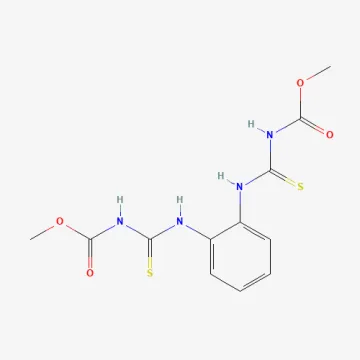
Thiophanate-methyl
Description
Mode of action
Thiophanate-methyl belongs to the benzimidazole chemical class. It is a broad-spectrum systemic fungicide that provides both curative and preventative activity across various crops and horticultural plants.
Upon application, the substance is rapidly absorbed by plant tissues and translocated acropetally. The primary mechanism involves inhibiting the synthesis of beta-tubulin, which is crucial for the cell division of fungal pathogens.
Once metabolized within the plant and the fungus, the compound converts into carbendazim. This process effectively disrupts the pathogen's metabolism, halting mycelium growth and preventing the germination of spores.
Due to its systemic nature, the fungicide protects new plant growth that occurs after the application, providing a reliable barrier against infections in fast-growing crops.
The product is highly resistant to wash-off by rainfall once it has dried. This feature ensures a long-lasting protective effect, reducing the frequency of applications required throughout the season.
What it targets
This substance is effective against a wide range of fungal pathogens, including powdery mildew, fusarium, cercosporella, septoria, and various types of rots on cereals, vegetables, and grapes.
It is widely used in orchards to control scab, monilia, anthracnose, and gray mold. Furthermore, it delivers excellent results in sugar beet protection, particularly against cercospora leaf spot.
Thiophanate-methyl actively targets pathogens that affect the plant's vascular system. It serves as a vital tool for preventing harvest losses in wheat, barley, and technical crop varieties.
By suppressing infections at various stages of the fungal life cycle, the fungicide effectively halts disease progression even after visible symptoms have appeared on leaves or stems.
It is often used for the comprehensive treatment of fields, as it can simultaneously control multiple fungal species that typically coexist in mixed infection complexes.
Rates and timing
Application rates vary depending on the crop and the disease pressure. Typically, rates range from 0.8 to 1.5 liters per hectare, but always follow the manufacturer's label instructions for the specific formulation.
The optimal time for application is early in the growing season upon the first signs of disease. Ensuring even coverage of the plant surface is essential for achieving the best results and prolonged protection.
Repeat treatments should be performed at intervals of 14 to 21 days, depending on environmental conditions. Weather factors, such as high humidity and temperature, may necessitate adjustments to the treatment schedule.
For maximum effectiveness, ensure correct tank mix preparation and check the water pH. The use of appropriate adjuvants can improve the penetration of the active ingredient into plant tissues.
Do not exceed the maximum allowable number of treatments per season. This is critical to prevent the development of resistance, as frequent use of the same chemical can lead to reduced pathogen sensitivity.
Restrictions
The main limitation is the risk of resistance development. Therefore, it is mandatory to rotate thiophanate-methyl with fungicides from other chemical classes that possess different modes of action.
When handling the substance, follow safety protocols strictly. Use personal protective equipment, including respirators, protective clothing, goggles, and gloves to prevent exposure to the skin or eyes.
The product is moderately toxic to bees and beneficial insects. Avoid spray drift onto neighboring areas, blooming weeds, or water bodies where aquatic organisms may be present.
Store in specialized facilities at a stable temperature. Avoid direct exposure to sunlight, as it may cause chemical degradation of the active ingredient, reducing its effectiveness.
Always conduct a physical-chemical compatibility test when tank-mixing with other pesticides. Avoid alkaline products, as they can deactivate the fungicide and render the treatment ineffective.
Status in the European Union
Not approved in the EU
- CAS number
- 23564-05-8
- Category (EU)
- FU - Fungicide
- Approved from
- 01.03.2006
- Approval until
- 19.10.2020
- ADI
- 0.02 mg/kg bw/day
- ARfD
- 0.02 mg/kg bw
- AOEL
- 0.08 mg/kg bw/day
EU status is for reference only and does not replace national registration in your country.