
Oxine-copper
Description
Mode of action
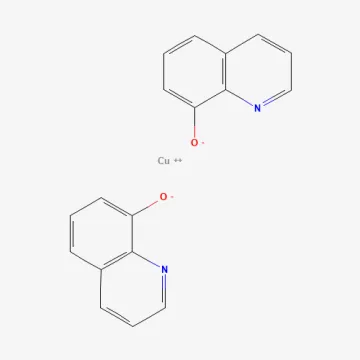
Oxine-copper, chemically known as 8-hydroxyquinoline copper, acts primarily as a protective fungicide with excellent contact properties against a broad spectrum of pathogens.
Its mechanism of action involves the release of copper ions that interfere with the metabolic pathways of fungal cells by inhibiting essential enzymes.
The compound effectively disrupts the respiratory chain in fungal mitochondria, which leads to a swift cessation of spore germination and mycelial growth.
Due to its high adherence capabilities, oxine-copper forms a stable protective film on leaves and fruits, offering resistance to degradation by weather conditions.
The substance possesses broad-spectrum activity, providing a dual effect by targeting both established fungal colonies and protecting tissue from new infections.
What it targets
Oxine-copper is widely utilized to control various diseases such as late blight, anthracnose, leaf spots, and several types of powdery mildew.
It is extensively used as a seed dressing agent to protect germinating seeds and seedlings from soil-borne pathogens and seed-rotting fungi.
The fungicide is highly effective against bacterial diseases, making it a valuable asset in the integrated pest management of orchards and vegetable farms.
It is commonly applied to commercial crops like potatoes, tomatoes, fruit trees, and various ornamental plants to maintain plant health.
By preventing the establishment of early-season pathogens, it helps ensure uniform crop establishment and vigorous growth from the very beginning.
Rates and timing
Application rates depend significantly on the crop type, disease pressure, and the specific formulation used for the treatment.
For seed treatment, the dosage is calculated per unit weight of seeds, ensuring a thorough coating to maximize the protective barrier.
Foliar spraying should be performed preventively during high-humidity periods when conditions are favorable for fungal and bacterial outbreaks.
Re-application intervals are generally scheduled between 10 to 14 days, depending on environmental conditions and the rate of new plant growth.
Calibration of spraying equipment is essential to ensure uniform coverage of the target area while minimizing product wastage and environmental impact.
Restrictions
Operators must wear appropriate protective clothing, including gloves, goggles, and respiratory masks, to prevent direct skin or eye contact.
Mixing with alkaline substances is strictly prohibited, as this can lead to the inactivation of the copper complex and loss of fungicidal efficiency.
Precautions should be taken to prevent spray drift into water bodies or neighboring non-target crops to avoid potential environmental contamination.
To delay the development of resistance in target pathogens, it is recommended to rotate oxine-copper with fungicides from different chemical groups.
Always store the product in a cool, dry, and well-ventilated area, away from direct sunlight, in its original labeled packaging to maintain stability.
Status in the European Union
Not approved in the EU
- CAS number
- 10380-28-6
- Category (EU)
- FU - Fungicide
EU status is for reference only and does not replace national registration in your country.