

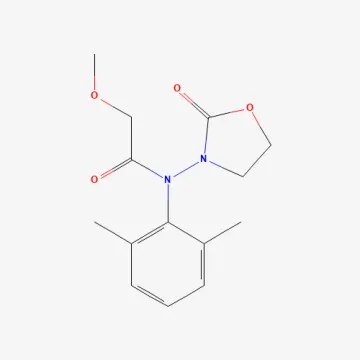
Description
Mode of action
Oxadixyl belongs to the phenylamide class (oxazolidinones) and functions as a systemic fungicide with both curative and preventive properties. It works by inhibiting the synthesis of ribonucleic acids within the pathogen's cells, effectively halting its metabolic processes and growth.
The substance is rapidly absorbed by plant roots and leaf tissues. Once inside, it exhibits acropetal translocation, moving upward through the xylem to protect new growth and developing parts of the plant from potential infection.
Oxadixyl is known for its ability to penetrate deep into plant tissues, making it highly effective for treating established infections at early stages. Its systemic movement ensures that the entire plant structure remains protected during the growth phase.
In modern agricultural practice, oxadixyl is typically formulated in mixtures with contact fungicides like mancozeb. This combination provides a dual-action defense: contact control on the leaf surface and systemic eradication of internal mycelium.
The compound remains stable on leaf surfaces and is highly resistant to wash-off from rainfall. This persistence is a critical advantage for managing fungal outbreaks during periods of high humidity and frequent precipitation.
What it targets
Oxadixyl is specifically engineered to combat Oomycetes, including various species of Peronosporaceae. It is a cornerstone for controlling diseases such as late blight in potatoes and tomatoes, and various forms of downy mildew.
It is widely used in vegetable production to protect crops like cucumbers, onions, and lettuce. The fungicide is highly effective at preventing the spread of secondary infections during the active vegetation season.
In viticulture, oxadixyl is a valuable tool against grapevine downy mildew (Plasmopara viticola). It helps maintain healthy canopy growth and protects clusters from infection, which is vital for maintaining yield and wine quality.
Furthermore, the substance is used for controlling root and stem rots caused by Phytophthora species. This makes it suitable for seedling treatment and soil application in specialized high-value cropping systems.
- Late blight (Phytophthora infestans) on potatoes and tomatoes.
- Downy mildew of grapes.
- Peronospora on onions and cucumbers.
- Root rots caused by Oomycetes.
Rates and timing
Application rates for oxadixyl depend on the specific formulation and the crop being treated. It is essential to follow manufacturer guidelines regarding concentration and water volume to ensure uniform coverage and efficacy.
The ideal timing for application is during active plant growth, ideally before the onset of disease symptoms. Proactive usage helps in maintaining the systemic level of the active ingredient within the plant tissues.
Typical spray intervals range from 10 to 14 days, depending on the pressure of the infection and climatic conditions. Under high-risk scenarios, shorten the interval to 7-10 days to ensure continuous protection.
When applying to dense foliage, such as mature potato fields or trellised grapevines, use appropriate nozzle setups to ensure the fungicide reaches the underside of the leaves where many fungal spores germinate.
Observe the pre-harvest interval (PHI) as specified for each crop. This practice ensures that no chemical residues remain in the harvest, complying with food safety standards and market regulations.
Restrictions
The primary concern with oxadixyl is the potential development of fungal resistance. To mitigate this risk, it is strictly recommended to rotate its use with fungicides from different chemical groups and avoid multiple consecutive applications.
Oxadixyl is toxic to aquatic organisms. Application should be strictly managed to prevent drift and runoff into nearby rivers, lakes, or drainage systems, especially in areas with high water tables.
Safety equipment is mandatory during handling and application. Operators must wear protective clothing, gloves, and respiratory masks to prevent skin and eye contact, as well as inhalation of spray particles.
Storage must be in a cool, dry, and well-ventilated location, clearly marked and kept away from children, pets, and food supplies. Dispose of empty containers according to local hazardous waste regulations.
Always verify compatibility before mixing oxadixyl with other products in a tank. Conducting a small-scale jar test is advisable to prevent chemical incompatibility that could lead to clogging or reduced performance.
Regulatory
Status in the European Union
Not approved in the EU
- CAS number
- 77732-09-3
- Category (EU)
- FU - Fungicide
EU legislation
EU status is for reference only and does not replace national registration in your country.
Content graph
Connections · Oxadixyl
Most often together:
Marketplace
Products · 2
