
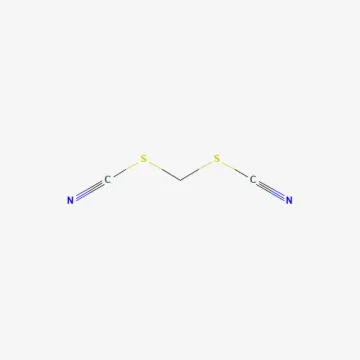
Methylenebisthiocyanate
Description
Mode of action
Methylene bis(thiocyanate) (MTC) is a highly effective organic thiocyanate biocide used extensively in industrial and agricultural settings. Its mode of action relies on the rapid denaturation of essential microbial proteins and the inhibition of vital enzymatic processes within the pathogen's cells.
The substance functions by covalently binding to the sulfhydryl groups of cellular enzymes. This interaction disrupts the metabolic pathways of fungi, bacteria, and algae, causing irreversible damage to the organism's energy production and cellular integrity.
MTC is valued for its broad-spectrum activity and fast-acting nature. It effectively penetrates cell membranes, which allows it to eliminate persistent bio-films that are often resistant to other common disinfectants used in agriculture.
In agricultural practice, MTC is primarily used to maintain cleanliness in water systems and as a soil additive under strict regulatory supervision. It ensures that irrigation infrastructure remains free from blockages caused by biological growth.
The chemical stability of MTC is highly dependent on the environmental pH. Optimal biocidal activity is achieved in slightly acidic to neutral conditions, making it essential for users to monitor water chemistry to maximize the efficacy of the application.
What it targets
Methylene bis(thiocyanate) is mainly applied as a potent fungicide and bactericide. It targets a wide variety of pathogens, including filamentous fungi and bacteria that can cause severe damage to greenhouse-grown crops and post-harvest produce.
One of its primary roles is the control of aquatic microorganisms. It prevents the development of algae and slime-forming bacteria in irrigation systems, which helps maintain uniform water distribution and nutrient delivery in hydroponic and drip irrigation setups.
The compound is also utilized for the decontamination of storage facilities, crates, and harvesting equipment. By reducing the initial microbial load, it helps prevent the decay of fruits and vegetables during long-term storage.
In addition, MTC is effective against soil-borne pathogens that cause root rots and vascular wilts in seedlings. Proper use helps in creating a cleaner growing environment, reducing the reliance on multiple pesticide applications.
- Fungal diseases causing root and collar rots.
- Bacterial pathogens impacting vascular systems.
- Mold growth on fresh produce in storage.
- Bio-fouling (algae and bacterial slime) in irrigation pipes.
Rates and timing
Application rates for methylene bis(thiocyanate) are highly specific and must be calculated based on the intended use. In water treatment, dosages are typically provided in ppm (parts per million) to ensure effective control without unnecessary chemical usage.
When applying to substrates or soil, it is critical to observe the required time interval before planting. Direct contact with young roots or seeds should be avoided to prevent phytotoxicity, as the compound remains active until fully degraded.
Pre-harvest intervals (PHI) must be strictly followed to ensure that no harmful residues remain on the final produce. Compliance with regional agricultural guidelines regarding residue limits is mandatory for professional growers.
Professional calibration of dosing equipment is essential for maintaining a consistent concentration in irrigation water. Fluctuations in dosage can lead to either ineffective pathogen control or potential chemical stress on the crop.
Agronomic monitoring should follow any application of MTC to evaluate the response of the microbial community. Decisions to repeat treatment should be based on diagnostic indicators and evidence of sustained pathogen pressure.
Restrictions
Methylene bis(thiocyanate) is classified as a hazardous substance, requiring stringent personal protective equipment (PPE). Operators must wear appropriate respiratory protection, chemical-resistant gloves, and goggles during handling and mixing.
The substance poses significant risks to the environment, particularly to aquatic life. Direct discharge into rivers, lakes, or groundwater is strictly prohibited due to the high toxicity of MTC to fish and other aquatic organisms.
Storage must be in a cool, dry, and secure location, kept away from children, unauthorized personnel, and incompatible chemicals like strong oxidants. Always store the product in its original, properly labeled container.
In the event of accidental exposure, the affected area must be rinsed immediately with copious amounts of water. Medical attention should be sought if symptoms appear, and the product's Safety Data Sheet (SDS) should be provided to healthcare professionals.
Disposal of leftover chemical solutions and containers must comply with local hazardous waste regulations. Never dispose of MTC-containing waste in standard sewer systems or on open soil without proper neutralization procedures.
Status in the European Union
Not approved in the EU
- CAS number
- 6317-18-6
- Category (EU)
- FU - Fungicide
EU status is for reference only and does not replace national registration in your country.