
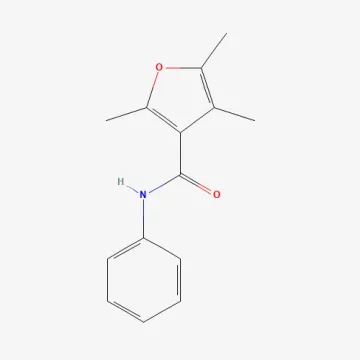
Methfuroxam
Description
Mode of action
Metfuroxam belongs to the carboxamide chemical class, acting as a succinate dehydrogenase inhibitor (SDHI). It functions by blocking the energy production processes within the mitochondria of pathogenic fungi.
By inhibiting the succinate dehydrogenase enzyme, the substance disrupts cellular respiration in the fungal organism. This leads to the rapid inhibition of mycelial growth and stops spore development.
Formulations containing metfuroxam demonstrate strong systemic activity. They penetrate seed tissues and developing seedlings effectively, ensuring comprehensive protection during the early stages of plant growth.
Due to its high mobility within plant tissues, the active ingredient effectively protects the root system from soil-borne pathogens. This is crucial for successful establishment of the crop in the field.
The systemic properties allow metfuroxam to create a reliable protective barrier around the seed. This prevents subsequent infection of the emerging plant by various seed-borne diseases.
What it targets
Metfuroxam is primarily used as an active ingredient in seed treatment products. It is designed to combat a wide range of pathogens transmitted through seeds and soil.
The main application focus is on cereal crops. The substance is effective against various fungi from the basidiomycete and ascomycete classes, which cause severe economic damage.
The compound demonstrates high efficacy in controlling various smut diseases, which significantly reduce crop yields. It effectively prevents both internal and soil-borne infections.
Additionally, metfuroxam is successfully used against Fusarium root rots. These diseases are among the most common causes of seedling damping-off under field conditions.
- Loose and covered smut of cereals
- Fusarium root rot
- Helminthosporium root rot
- Snow mold
Rates and timing
Application rates for products based on metfuroxam are determined by the manufacturer based on the specific formulation. Typically, the substance is used in combination with other active ingredients.
The quality of seed treatment depends on the uniformity of the solution application. The use of specialized treatment machinery is essential to guarantee the best possible results.
Application timing is restricted to the pre-sowing seed preparation phase. It is vital to adhere to regulatory guidelines to avoid damaging the germination capacity of treated seeds.
When determining dosages, agronomists must consider the infectious load in the field. This approach allows for achieving optimal protective effects without unnecessary chemical expenditure.
The chemical stability of the substance ensures seed protection during storage prior to sowing. This provides farmers with flexibility in planning their planting schedules.
Restrictions
When working with metfuroxam, it is strictly necessary to follow safety protocols. The use of personal protective equipment for skin, eyes, and respiratory protection is mandatory.
Do not allow residues of treatment solutions to enter water bodies or sewage systems. Disposal of containers and pesticide waste must be carried out in compliance with local environmental regulations.
Before preparing tank mixtures, compatibility testing is required. Some substances may interact, reducing the protection efficacy or negatively impacting the physical properties of the mixture.
Seeds treated with this fungicide must be stored in cool, dry, and well-ventilated warehouse facilities. Access to the storage area must be restricted and clearly marked.
In case of contact with skin or mucous membranes, wash the affected areas immediately with plenty of water. If necessary, seek medical assistance and provide the label or safety data sheet of the product.
Status in the European Union
Not approved in the EU
- CAS number
- 28730-17-8
- Category (EU)
- FU - Fungicide
EU status is for reference only and does not replace national registration in your country.