
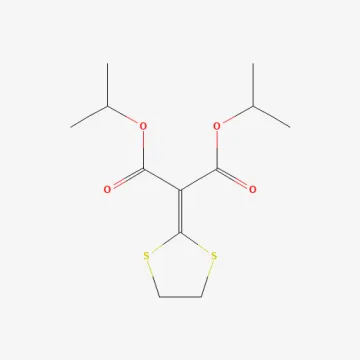
Isoprothiolane
Description
Mode of action
Isoprothiolane belongs to the dithiolane chemical class and is recognized as a highly specific systemic fungicide with both preventive and curative properties.
Its mechanism of action involves the inhibition of metabolic processes in fungal pathogens, particularly interfering with phospholipid biosynthesis, which is crucial for mycelial growth and sporulation.
The substance is absorbed by plant roots and foliage, demonstrating excellent systemic mobility that allows it to distribute throughout the plant tissue for effective protection.
Beyond its antifungal effects, isoprothiolane acts as a plant physiological stimulant, promoting healthier root development and better overall plant vigor.
Due to its high selectivity, the compound effectively targets fungal pathogens without causing phytotoxicity to the crops being treated, even under intensive use.
What it targets
The primary use of isoprothiolane is the control of rice blast, caused by the fungus Pyricularia oryzae, which is a major threat to global rice production.
It provides long-lasting protection by preventing the establishment of the fungus on leaves, culms, and panicles, thereby reducing yield loss significantly.
The fungicide is also utilized to manage various secondary fungal diseases that thrive in paddy fields, ensuring a healthier crop environment.
Isoprothiolane is effective against a wide array of fungal strains, including those that may have developed resistance to other common fungicide groups.
By protecting the plant's structural integrity, it helps maintain high-quality grain yields, preventing diseases that would otherwise cause shriveled or discolored seeds.
Rates and timing
The application rates for isoprothiolane depend on the product formulation, such as granules or emulsifiable concentrates, and the specific method of delivery.
Application timing is critical, with treatments typically recommended during early vegetative stages or at the first signs of disease to suppress infection outbreaks.
When used in irrigation water or soil treatment, the dosage must be precisely calculated to maintain an effective systemic concentration in the root zone.
Foliar applications require thorough coverage of the canopy to ensure that the systemic fungicide reaches all susceptible parts of the rice plant efficiently.
Strict adherence to pre-harvest intervals is mandatory to comply with food safety standards and prevent excess residue levels in the harvested rice grain.
Restrictions
Operators handling isoprothiolane must wear appropriate personal protective equipment, including gloves, goggles, and respiratory masks, to ensure safe handling.
The substance is highly toxic to aquatic life, requiring strict measures to prevent any contamination of streams, ponds, or other water bodies during application.
Resistance management strategies, such as rotating isoprothiolane with fungicides possessing different modes of action, are essential to maintain its efficacy over time.
Storage must occur in well-ventilated, secure areas, keeping the product in its original packaging away from extreme temperatures and moisture.
Users should always consult the specific product label for regional restrictions and follow all local environmental regulations regarding pesticide use and disposal.
Status in the European Union
Not approved in the EU
- CAS number
- 50512-35-1
- Category (EU)
- FU - Fungicide
EU status is for reference only and does not replace national registration in your country.