
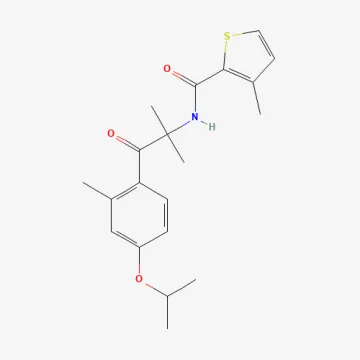
Isofetamid
Description
Mode of action
Isofetamid is a member of the carboxamide chemical class, acting as a succinate dehydrogenase inhibitor (SDHI) that targets the respiratory cycle of fungi.
By effectively blocking the complex II in the mitochondrial respiratory chain, the compound inhibits the growth and development of pathogenic spores and mycelium.
The substance possesses strong translaminar properties, allowing it to penetrate plant tissues and provide protection to parts of the plant not directly hit by the spray.
Isofetamid is notable for its excellent rain-fastness, ensuring that the active ingredient remains effective even when applied under unpredictable weather conditions.
It provides both preventive and curative properties, allowing growers to manage fungal outbreaks early and maintain crop health throughout the season.
What it targets
Isofetamid is primarily used to control a variety of fungal pathogens belonging to the ascomycetes and imperfect fungi groups.
It is specifically highly effective against Botrytis cinerea (gray mold), a major threat to small fruits and vegetable crops globally.
The fungicide is commonly applied to crops such as grapes, strawberries, and various open-field or greenhouse vegetables to protect against rot and decay.
In addition to gray mold, it shows activity against specific types of powdery mildew, offering a broader range of protection for sensitive crops.
Because of its specific mode of action, it is frequently integrated into resistance management strategies, alternating with other chemical classes.
Rates and timing
Application rates for isofetamid are determined based on the specific crop type, the intensity of disease pressure, and the local pest management guidelines.
To maximize effectiveness, it is recommended to apply the fungicide preventively before the disease establishes itself in the field.
The timing of applications is critical, with emphasis often placed on the flowering stage and pre-harvest intervals for berries and grapes.
Total seasonal applications are limited to prevent the selection of resistant pathogen strains and ensure the long-term utility of the product.
Proper calibration of spraying equipment is essential to ensure uniform coverage of foliage and fruit surfaces for optimal control.
Restrictions
Operators handling isofetamid must adhere to standard safety protocols, including the use of appropriate protective equipment and gear.
Prevent runoff into water sources, as the substance must be managed carefully to protect aquatic environments and local wildlife.
Always respect the pre-harvest interval (PHI) as specified on the product label to ensure food safety and regulatory compliance.
Store the product in a secure, cool, and dry place, strictly separated from food, feed, and other incompatible materials.
Avoid applying the fungicide during periods of high bee activity to minimize any risk to pollinators and beneficial insects.
Status in the European Union
Approved in the EU
- CAS number
- 875915-78-9
- Category (EU)
- FU - Fungicide
- Approved from
- 15.09.2016
- Approval until
- 15.09.2026
- ADI
- 0.02 mg/kg bw/day
- ARfD
- 1.0 mg/kg bw
- AOEL
- 0.05 mg/kg bw/day
EU status is for reference only and does not replace national registration in your country.