
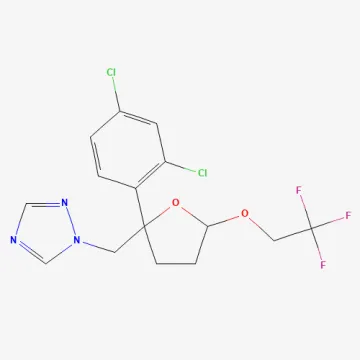
Furconazole
Description
Mode of action
Furconazole belongs to the triazole chemical class, which is one of the most effective groups of fungicides used in modern crop production.
Its mode of action is based on inhibiting the biosynthesis of ergosterol, a vital component of fungal cell membranes.
By blocking the 14-alpha-demethylase enzyme, furconazole disrupts the integrity of the fungal cell membrane, effectively stopping mycelial growth and infection progress.
The substance exhibits systemic properties, quickly penetrating plant tissues and moving acropetally to protect both treated areas and newly emerging plant growth.
The active ingredient is characterized by significant preventive and curative effects, allowing growers to manage disease development even at early symptomatic stages.
What it targets
This group of substances is utilized to combat a wide spectrum of phytopathogens affecting cereals, fruits, and vegetable crops.
Furconazole is effective against members of the Ascomycetes, Basidiomycetes, and Deuteromycetes classes, which cause rusts, leaf spots, and powdery mildew.
- Powdery mildew fungi (Erysiphales).
- Various rust species (Pucciniales).
- Septoria leaf blotch and other leaf spots.
- Various types of smut on cereal crops.
Its broad-spectrum activity allows for its use as both a seed treatment and a foliar spray during the growing season.
Due to its systemic nature, the substance effectively protects the ear and lower leaf tiers from hidden infections, which is critical for preserving yield potential.
Rates and timing
The application rates of furconazole depend on the crop type, the intensity of the infection, and the biological characteristics of the specific pathogen.
For seed treatment, lower concentrations are typically used to protect seedlings from soil-borne and seed-borne pathogens during the initial growth phase.
When applying as a foliar spray, rates are determined by the agronomist based on the plant's growth stage to ensure maximum coverage of the leaf surface.
The number of applications per season is strictly regulated to prevent the development of resistance in pathogens to the triazole group.
Optimal application timing coincides with the period of active crop growth, when the risk of primary pathogen infection is at its peak.
Restrictions
A primary limitation is the potential for pathogen resistance, making it essential to rotate furconazole with fungicides from other chemical groups.
When handling the substance, it is mandatory to adhere to personal safety measures, including the use of respirators, safety goggles, and protective clothing.
The product may exhibit phytotoxicity if recommended dosages are significantly exceeded or if applications are performed under extreme temperature conditions.
Pre-harvest intervals must be strictly monitored to ensure that no residues of the active substance remain in the harvested commodity.
Disposal of leftover working solutions and containers must be carried out in compliance with environmental regulations and pesticide management standards.
Status in the European Union
Not approved in the EU
- Category (EU)
- FU - Fungicide
EU status is for reference only and does not replace national registration in your country.