
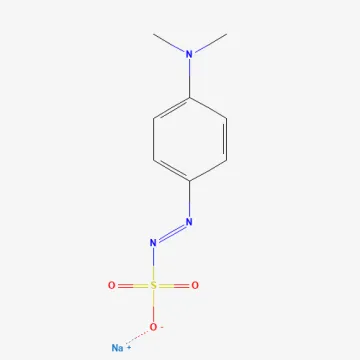
Fenaminosulf
Description
Mode of action
Fenaminosulf is an organic compound belonging to the aminobenzenesulfonate class. It is a specialized systemic fungicide that possesses the unique ability to be rapidly absorbed by the plant's root system.
The active ingredient actively affects the metabolic processes of pathogenic fungi by blocking their cellular respiration. Specifically, it disrupts the oxidative phosphorylation processes in the mitochondria of the fungal organism, leading to the rapid death of the mycelium.
Due to its high solubility, the compound effectively moves in the soil solution, surrounding seeds and roots with a protective barrier. This creates a zone of sterility around the seedling, preventing infection at the most vulnerable stages of development.
The product is characterized by selectivity, showing high activity against specific classes of oomycetes while exerting no inhibitory effect on higher plants when dosages are followed.
An important feature of the mechanism is the substance's ability to suppress pathogens that have already penetrated plant tissues, making it effective for both prophylaxis and early treatment of root infections.
What it targets
Fenaminosulf is traditionally used to control soil-borne pathogens that cause root rots and "damping-off" of seedlings. The primary targets are fungi of the oomycete class, specifically members of the Pythium and Aphanomyces genera.
This substance effectively protects the seedlings of sugar beets, vegetable crops, cereals, and ornamental plants from death at the emergence stage. It prevents seedling lodging caused by pathogenic soil microflora.
In agronomic practice, it is used for seed treatment or application directly into the soil in solution form. This allows the crop to be protected from soil-borne parasites during the critical germination period.
The product is indispensable in conditions of high soil moisture, which promotes the massive development of Pythium fungi. The use of fenaminosulf significantly reduces crop thinning and increases plant stand density.
It should be noted that the spectrum of action is limited to oomycetes, so against pathogens of other classes (e.g., fusarium or helminthosporium), the addition of other systemic fungicides to the tank mix is required.
Rates and timing
Application rates for fenaminosulf depend on the type of formulation used and the method of application. When treating seeds, the product is applied as a suspension, ensuring uniform coating of the seed coat.
When applied via soil drenching or drip irrigation systems, the working solution concentration must be strictly calibrated. Excessive doses can cause temporary inhibition of the root system, despite the systemic nature of the action.
Application timing is strictly tied to the sowing campaign: seed treatment is carried out in advance or immediately before sowing. Soil application is usually performed simultaneously with sowing or when transplanting seedlings to their permanent location.
For maximum effect, the soil must be moderately moist. In dry soil, the mobility of the active ingredient is limited, which may reduce the level of protection for seedlings against soil-borne infections.
Agronomists recommend combining fenaminosulf with other products to create comprehensive protection. It is important to observe the intervals between treatments if repeated applications during the growing season are planned.
Restrictions
Fenaminosulf is a toxic compound to warm-blooded animals, so handling it requires the use of personal protective equipment for the skin, respiratory organs, and eyes. The product must not be allowed to enter water bodies.
The substance is extremely sensitive to ultraviolet radiation. When exposed to the soil surface and direct sunlight, it rapidly decomposes, losing its fungicidal properties, so soil incorporation is mandatory.
It is not recommended to use the product in soils with extreme pH levels, as this can lead to premature degradation of the active ingredient and reduced efficacy.
When storing products based on fenaminosulf, exposure to high temperatures and humidity must be avoided. Packaging must be airtight to prevent chemical destruction of the active component.
Compliance with environmental regulations is mandatory: treatments must not be conducted near apiaries or drinking water sources. After use, containers must be disposed of in accordance with current pesticide legislation.
Status in the European Union
Not approved in the EU
- CAS number
- 140-56-7
- Category (EU)
- FU - Fungicide
EU status is for reference only and does not replace national registration in your country.