
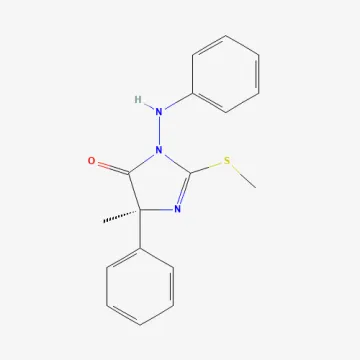
Fenamidone
Description
Mode of action
Fenamidone belongs to the imidazolinone chemical class and is a highly effective fungicide with protective and curative properties. Its primary function is to block the mitochondrial respiration of pathogenic fungi.
The active substance suppresses the activity of the complex III enzymatic system within the electron transport chain. This results in the cessation of ATP production, which is essential for cellular metabolism, causing rapid death of the pathogen.
The product exhibits excellent translaminar properties, distributing itself within leaf tissues after application. This allows it to protect even those parts of the plant that were not directly reached by the spray solution.
Fenamidone effectively prevents the germination of fungal spores on the plant surface. Due to this, it serves as a reliable barrier against primary infection in conditions of high humidity.
The substance shows high resistance to wash-off by rain, which is critical for protecting crops in field conditions. Once the solution dries, it forms a protective film that maintains activity for an extended period.
What it targets
Fenamidone is used primarily for controlling diseases caused by oomycete fungi. It is a key component in integrated protection programs for vegetable and agricultural crops.
The main objective of its application is the control of late blight in potatoes and tomatoes. The substance effectively stops pathogen development even under high infection pressure.
The product is also highly effective against downy mildew in crops such as onions, cucumbers, and other cucurbits. Its action is directed at inhibiting zoospores and preventing secondary disease spread.
Its systemic nature and specific mechanism of action allow fenamidone to be used in anti-resistance management strategies. It is frequently combined with other fungicides to achieve a synergistic effect.
When applied correctly, the fungicide provides long-term control over the pathogen, keeping the photosynthetic leaf surface green and healthy until harvest time.
Rates and timing
Application rates for fenamidone depend on the specific formulation on the market and the target crop. Typically, the concentration of the working solution is adjusted based on the stage of disease development.
The timing of applications is determined by phytosanitary monitoring of the fields. The best results are achieved when the product is applied preventively before the first visible signs of disease appear.
The interval between repeated applications is usually 7 to 12 days. In high-risk conditions for epidemics, the interval should be shortened to the minimum specified in the product label.
When preparing tank mixtures, compatibility with other components must be considered. Fenamidone is compatible with various systemic fungicides from different chemical groups, which broadens the spectrum of controlled diseases.
Ensuring uniform coverage of the leaf surface during spraying is essential. Using high-quality spraying equipment guarantees maximum efficacy from the use of this active substance.
Restrictions
Handling fenamidone requires adherence to standard safety measures for pesticides. Personnel must wear appropriate personal protective equipment for the respiratory tract, skin, and eyes.
After application, established pre-harvest intervals (PHI) must be strictly followed. The exact timing depends on the specific crop and local agricultural safety regulations.
Contamination of water bodies and drinking water sources with residue from the working solution is strictly prohibited. It is necessary to follow instructions for the disposal of containers and leftover product after field work.
To prevent the development of pathogen resistance, it is not recommended to perform more than 2–3 applications per season with the same product. Alternating with fungicides having different modes of action is advised.
Storage must be carried out in specialized dry warehouses while maintaining the temperature regime specified by the manufacturer, out of reach of unauthorized persons.
Status in the European Union
Not approved in the EU
- CAS number
- 161326-34-7
- Category (EU)
- FU - Fungicide
- Approved from
- 01.10.2003
- Approval until
- 14.08.2018
EU status is for reference only and does not replace national registration in your country.