
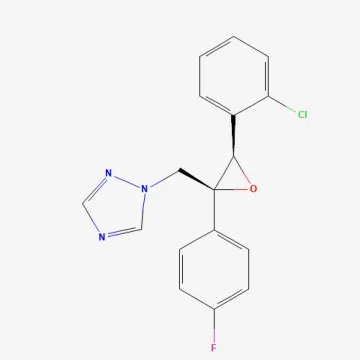
Epoxiconazole
Description
Mode of action
Epoxiconazole is a highly active systemic fungicide belonging to the triazole chemical class. It is widely recognized for its ability to be rapidly absorbed by plant tissues and translocated, providing comprehensive protection across the entire plant structure.
The primary mechanism of action is the inhibition of ergosterol biosynthesis by blocking the C-14 demethylation step. By disrupting the formation of fungal cell membranes, epoxiconazole effectively halts the growth and development of pathogenic fungi.
It acts both preventively and curatively, offering robust control even when infections have already begun to manifest. Its curative power allows it to arrest the spread of fungal mycelium deep within the plant tissues.
Epoxiconazole maintains reliable efficacy under a range of climatic conditions, including cooler weather during early spring application. This stability makes it a critical tool in integrated pest management programs for cereal crops.
The systemic nature of this compound ensures that it provides protection to developing leaves, reducing the need for multiple frequent applications and maintaining the health of the crop throughout its vegetative stage.
What it targets
Epoxiconazole is primarily used for the control of a broad spectrum of fungal diseases in cereals, such as wheat and barley. It is particularly effective against various species of rust, including brown rust, yellow rust, and stem rust.
The fungicide is a staple in controlling Septoria leaf and glume blotch, which are significant threats to yield in temperate climates. It provides consistent results in protecting the flag leaf from infection.
It also shows excellent efficacy against powdery mildew and Pyrenophora leaf spot. By managing these pathogens, epoxiconazole helps in maintaining photosynthetic activity and overall plant vigor.
In addition to these diseases, the fungicide is used to control various helminthosporium spots, preventing premature leaf senescence and improving the quality of the harvest.
Regular application helps in maintaining a low pathogenic pressure in the field, which is essential for ensuring high-quality yields and long-term soil health management strategies.
Rates and timing
The application rate for epoxiconazole is determined by the crop growth stage, the severity of the infection, and the specific formulation used. Typical application rates range from 100 to 150 grams of active ingredient per hectare.
Timing is critical for optimal disease control. The most effective approach involves application at the earliest appearance of symptoms or prophylactically when weather conditions are conducive to fungal spread.
Proper spray preparation is essential to ensure full coverage of the plant canopy. Use appropriate sprayers with nozzles that provide uniform droplet distribution to maximize the fungicide's systemic uptake.
Epoxiconazole is frequently used in tank mixtures with other fungicide classes, such as strobilurins. These combinations broaden the spectrum of action and serve as a crucial resistance management strategy.
Generally, it is recommended to limit the number of applications per season to two, ensuring that the total chemical burden on the field remains within sustainable and safe environmental limits.
Restrictions
Operators must adhere to strict safety protocols, including wearing protective clothing, respirators, goggles, and gloves. Direct contact with the fungicide should be strictly avoided to prevent health risks.
It is essential to prevent any runoff into water sources, including streams, rivers, and ponds. Epoxiconazole is known to be harmful to aquatic life, and buffer zones must be maintained during application.
Storage should be in a cool, dry, and secure location inaccessible to unauthorized personnel. Always maintain the product in its original, properly labeled container to ensure accurate handling.
Re-entry intervals for field activities post-application must be strictly observed, typically ranging from a few days to a week depending on regional agricultural regulations.
Avoid spraying under windy conditions to prevent drift toward sensitive neighboring crops or residential areas, ensuring that the fungicide is applied precisely where it is needed.
Status in the European Union
Not approved in the EU
- CAS number
- 133855-98-8
- Category (EU)
- FU - Fungicide
- Approved from
- 01.05.2009
- Approval until
- 30.04.2020
- ADI
- 0.008 mg/kg bw/day
- ARfD
- 0.023 mg/kg bw
- AOEL
- 0.008 mg/kg bw/day
EU status is for reference only and does not replace national registration in your country.