
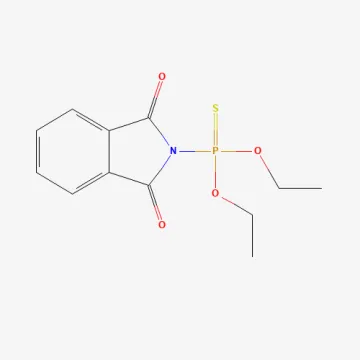
Ditalimfos
Description
Mode of action
Ditalimfos belongs to the organophosphorus class of chemical compounds and is utilized in agricultural plant protection primarily as a broad-spectrum fungicide.
The mode of action involves interfering with the vital enzymatic processes within fungal cells, effectively inhibiting the metabolism of the pathogen.
It demonstrates a strong inhibitory effect on the germination of fungal spores, preventing the colonization of plant tissues during critical growth stages.
The compound acts as a contact barrier on the plant surface, providing long-lasting protection against new infections in diverse climatic conditions.
By disrupting the structural integrity of fungal hyphae, the active ingredient halts the progression of the disease and reduces the spread of spores within the crop canopy.
What it targets
Ditalimfos is specifically formulated for the control of powdery mildew infections across a wide range of horticultural and field crops.
It is widely recognized for its efficacy against various fungi belonging to the Erysiphaceae family, which are known for causing yield losses in cereals and vegetables.
The fungicide is also applied in orchards and vineyards to manage fungal pathogens that affect both foliage and fruit development, enhancing overall crop quality.
Furthermore, ditalimfos shows incidental activity against certain mite species, providing an added benefit for integrated pest management programs.
- Powdery mildew fungi (Erysiphales).
- Various leaf-spotting diseases.
- Certain mite populations (secondary effect).
- Fungal pathogens on cereal and vegetable crops.
Rates and timing
Application rates for ditalimfos depend heavily on the target crop, the density of the canopy, and the severity of the localized infection.
Spraying is typically initiated upon the first appearance of disease symptoms to maximize the preventive and curative efficacy of the application.
For sustained protection during periods of high disease pressure, repeated applications are necessary, usually spaced at 10 to 14-day intervals.
Effective coverage is crucial; therefore, calibrated spray equipment is recommended to ensure that the chemical reaches all parts of the host plant.
When mixing with other agrochemicals, it is essential to check compatibility profiles to prevent chemical degradation or antagonism in the spray tank.
Restrictions
Ditalimfos requires strict adherence to safety protocols, including the use of appropriate personal protective equipment by handlers and applicators.
Strict measures must be taken to prevent drift and runoff into nearby water bodies, as the compound can be harmful to aquatic ecosystems.
It is mandatory to observe the specific pre-harvest intervals designated for each crop to ensure that chemical residues do not exceed legal safety standards.
The storage of the product must be limited to secure, climate-controlled facilities that prevent contamination of food, feed, or public access areas.
Proper waste management practices, including the disposal of empty containers and equipment wash water, are critical to mitigate environmental risks.
Status in the European Union
Not approved in the EU
- CAS number
- 5131-24-8
- Category (EU)
- FU - Fungicide
EU status is for reference only and does not replace national registration in your country.