
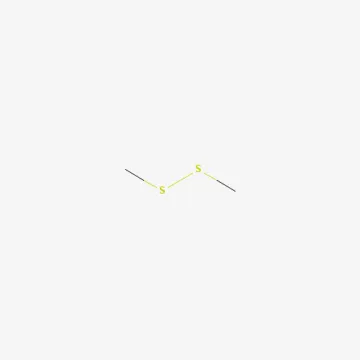
Dimethyl disulphide
Description
Mode of action
Dimethyl disulfide (DMDS) is a volatile organic sulfur compound used as a broad-spectrum soil fumigant in modern agricultural production.
The mode of action involves the release of gas into the soil profile, where it permeates through soil pores to reach target organisms effectively.
Once it comes into contact with the pests or pathogens, DMDS disrupts their metabolic processes, primarily by inhibiting cellular respiration, which leads to mortality.
The substance acts as a potent fumigant that significantly reduces the soil pathogen load before planting sensitive crops such as vegetables and berries.
As a sustainable feature, DMDS decomposes into natural sulfur compounds, which can provide nutritional benefits to crops, acting as a secondary sulfur source after the safety interval has passed.
What it targets
Dimethyl disulfide is primarily utilized to combat soil-borne pests and diseases that are otherwise difficult to manage with conventional chemical control.
It is particularly effective against various species of nematodes, which are major constraints in high-value vegetable and fruit production.
The key targets of DMDS include:
- Soil-borne pathogenic fungi causing root rot and wilt;
- Root-knot and other harmful nematodes;
- Viable seeds of many annual weed species;
- Soil-dwelling insects and larvae.
By effectively controlling these biological threats, farmers can significantly improve the growth conditions and overall health of their crops.
Rates and timing
Application rates for dimethyl disulfide are calculated based on soil structure, moisture content, and the density of the specific soil-borne threats present.
The soil must be well-cultivated and free from large clods prior to application to ensure that the gas can move uniformly through the treated area.
A crucial part of the process is covering the treated soil with gas-impermeable plastic film to maintain the required concentration for the duration of the fumigation period.
The exposure period generally lasts several days, during which the fumigant actively eliminates pests within the targeted soil volume.
Post-fumigation, a mandatory aeration period is required to ensure that all residual gas is vented before the planting of crops can safely commence.
Restrictions
Due to its high toxicity and pungent odor, dimethyl disulfide must be handled by trained professionals using rigorous safety protocols and personal protective equipment.
Application is prohibited near populated areas, water sources, or sensitive ecological zones to prevent environmental hazards or public nuisance.
The integrity of the plastic film cover is essential; any leaks or tears will significantly diminish the efficacy of the treatment and pose safety risks.
Soil temperature and moisture must be monitored carefully, as extreme conditions can interfere with the gas dispersion and the overall success of the fumigation.
Strict adherence to the post-application re-entry interval is necessary to prevent phytotoxicity in subsequent plantings and ensure worker safety.
Status in the European Union
Pending
- CAS number
- 624-92-0
- Category (EU)
- FU - Fungicide
EU status is for reference only and does not replace national registration in your country.