
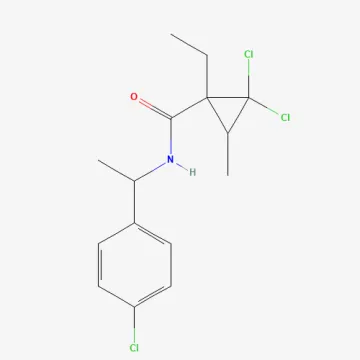
Carpropamid
Description
Mode of action
Carpropamid belongs to the propionamide chemical class and serves as a highly specialized systemic fungicide used primarily in rice cultivation to manage fungal pathogens.
The core mechanism of action involves the inhibition of melanin biosynthesis within the cell walls of the target fungus. Melanin is essential for the formation of appressoria, which are specialized infection structures.
By blocking the melanization process, the fungicide prevents the fungus from developing the mechanical pressure necessary to penetrate the plant epidermis, effectively halting the infection process.
Once applied, carpropamid exhibits rapid systemic uptake and internal translocation, providing long-lasting protective and curative properties against established local infections.
The efficacy of this compound remains stable over extended periods, which helps in maintaining a healthy crop canopy and reducing the need for frequent pesticide applications.
What it targets
The primary agricultural target for carpropamid is the rice blast pathogen, Pyricularia oryzae, which is responsible for significant yield losses in rice-producing regions globally.
The fungicide is effective in protecting both the leaves and the panicles of the rice plant, ensuring that the crop can progress through critical growth stages without severe blight impact.
Carpropamid demonstrates high selectivity, targeting specific metabolic pathways in the fungus, which minimizes negative side effects on non-target organisms within the ecosystem.
Preventing blast infection through the use of carpropamid helps in maintaining high grain quality and appearance, which is crucial for the profitability of rice farming operations.
The compound also aids in reducing the overall inoculum density in the field, effectively managing the disease cycle and preventing secondary spread across the crop.
Rates and timing
Application rates for carpropamid are determined by disease pressure and the specific growth stage of the rice crop, typically targeting the tillering and boot stages for optimal results.
Proper coverage is essential for the efficacy of the treatment, requiring calibrated spray equipment to ensure that the active ingredient reaches all parts of the plant surface.
Proactive application before the visual onset of symptoms is highly recommended to prevent the pathogen from establishing itself within the plant tissues.
Users must adhere to the dosage instructions provided by the manufacturer to maintain the balance between efficacy and safety, preventing potential phytotoxicity.
Monitoring the environmental conditions at the time of application is vital, as excessive rainfall immediately after spraying can reduce the total amount of product absorbed by the plant.
Restrictions
Handling carpropamid requires strict adherence to safety protocols, including the use of appropriate personal protective equipment to prevent dermal or respiratory exposure.
Special care must be taken to prevent runoff into water bodies, as the substance can be toxic to aquatic life, necessitating the maintenance of buffer zones near streams and ponds.
To avoid the development of resistance in the Pyricularia oryzae population, it is necessary to rotate carpropamid with fungicides from different chemical classes.
Storage of the chemical must be in a cool, dry, and secure location, ensuring that original packaging is kept intact to prevent degradation of the active substance.
Compliance with local regulatory guidelines regarding the maximum residue limits and pre-harvest intervals is mandatory for all professional agricultural applications.
Status in the European Union
Not approved in the EU
- Category (EU)
- FU - Fungicide
EU status is for reference only and does not replace national registration in your country.