
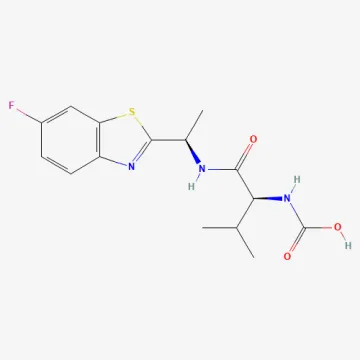
Benthiavalicarb
Description
Mode of action
Benthiavalicarb belongs to the carboxylic acid amide (CAA) class of fungicides. It is a highly potent active ingredient known for its systemic and translaminar activity.
The mode of action involves the inhibition of cellulose synthesis and phospholipid biosynthesis, which disrupts the cell wall structure of the fungal pathogen.
This disruption leads to the rapid inhibition of mycelial growth and prevents the sporulation of oomycetes, effectively stopping the spread of the infection.
Due to its high translaminar activity, the chemical penetrates leaf tissues quickly and spreads within, protecting both the upper and lower surfaces of the treated leaves.
It exhibits excellent rainfastness, which ensures long-lasting residual protection even under frequent rainfall conditions common during periods of disease development.
What it targets
Benthiavalicarb is specifically designed to combat diseases caused by oomycetes, including various species of Phytophthora and Peronospora.
It is widely recognized for its efficacy against late blight in potatoes and tomatoes, a major challenge in commercial vegetable production.
The substance is also utilized for the control of downy mildew on vegetables like cucumbers, onions, and various horticultural crops.
It provides significant protection against fruit and tuber rot caused by pathogenic organisms that thrive in moist, cool environmental conditions.
Its high specificity towards oomycetes makes it an essential tool for integrated pest management (IPM) strategies to manage resistant fungal populations.
Rates and timing
Application rates for benthiavalicarb are determined by the severity of the disease pressure and the specific growth stage of the target crop.
The product should be applied preventatively or at the earliest onset of symptoms to ensure maximum efficacy and to maintain yield quality.
A typical application interval ranges from 7 to 14 days, depending on environmental factors that influence the speed of pathogen life cycles.
Proper coverage is critical; users should ensure that the application equipment provides a fine, uniform spray pattern to reach all susceptible plant parts.
For sustainable usage, it is recommended to limit the number of applications per season to prevent the development of resistant pathogen strains.
Restrictions
Operators must wear appropriate personal protective equipment (PPE), including gloves, goggles, and respiratory protection when handling the concentrate.
Strict precautions should be taken to prevent environmental contamination, particularly near water bodies, as the substance is hazardous to aquatic life.
Adherence to pre-harvest intervals (PHI) is mandatory to ensure that chemical residues in the final produce remain within safe regulatory limits.
The product should be stored in its original, sealed container in a cool, dry, and ventilated warehouse, away from food, drink, and animal feed.
Before mixing with other fertilizers or pesticides, a compatibility test should be performed to avoid physical or chemical instability in the spray tank.
Status in the European Union
Not approved in the EU
- CAS number
- 413615-35-7
- Category (EU)
- FU - Fungicide
- Approved from
- 01.08.2008
- Approval until
- 13.12.2023
- ADI
- 0.1 mg/kg bw/day
- ARfD
- 6.7 mg/kg bw
- AOEL
- 0.1 mg/kg bw/day
EU status is for reference only and does not replace national registration in your country.