
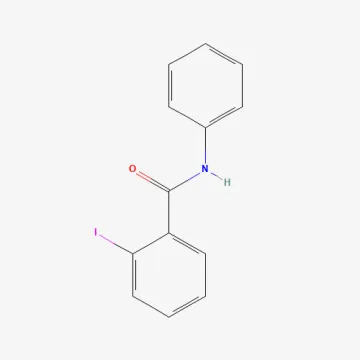
Benodanil
Description
Mode of action
Benodanil belongs to the carboxanilide chemical class and functions as a systemic fungicide with both curative and preventive properties.
The mechanism of action involves the inhibition of cellular respiration in pathogens by targeting the enzyme succinate dehydrogenase in the mitochondrial electron transport chain.
The active substance is capable of systemic translocation within the plant tissues, which provides protection to new growth developed after the application.
The chemical effectively interferes with mycelial development, preventing the fungus from spreading and forming new spores on the leaf surfaces.
Due to its specific chemical structure, Benodanil exhibits high selectivity against certain basidiomycetes, making it a targeted solution for growers.
What it targets
The primary use of Benodanil is to manage rust diseases across various agricultural and ornamental crop systems.
The substance shows high biological efficacy against brown rust in wheat and stem rust in rye, barley, and other cereal crops.
It is also widely utilized in greenhouse flower production, particularly for controlling rust in carnations, where it has demonstrated reliable performance.
The fungicide effectively suppresses fungal pathogens from the Pucciniaceae family, which are known for causing significant yield losses.
By protecting the foliage from rust infection, the chemical helps maintain the photosynthetic capacity of the plant throughout the growing season.
Rates and timing
Application rates for Benodanil are determined based on the severity of the infection and the specific physiological stage of the crop.
For field crops, optimal treatment timing is usually when the disease symptoms first appear or as a preventive measure in high-risk conditions.
The number of applications per season is typically limited to two to ensure effective resistance management and minimize chemical residues.
It is recommended to maintain an interval of 14 to 21 days between treatments, depending on the environmental factors impacting disease progression.
When preparing tank mixtures, it is essential to ensure compatibility with other fertilizers or pesticides to maintain the efficacy of the treatment.
Restrictions
Strict safety precautions are required when handling Benodanil, including the use of protective clothing, gloves, and respiratory equipment.
Direct exposure to water bodies should be avoided, as the substance may pose risks to aquatic organisms and the surrounding ecosystem.
Growers must observe mandatory pre-harvest intervals to ensure that the final harvested produce meets all safety and regulatory standards.
To mitigate the risk of pathogen resistance, it is advisable to rotate Benodanil with fungicides that possess different modes of action.
Storage should be handled in a controlled, cool, and well-ventilated area, kept secure from access by unauthorized persons and animals.
Status in the European Union
Not approved in the EU
- CAS number
- 15310-01-7
- Category (EU)
- FU - Fungicide
EU status is for reference only and does not replace national registration in your country.