
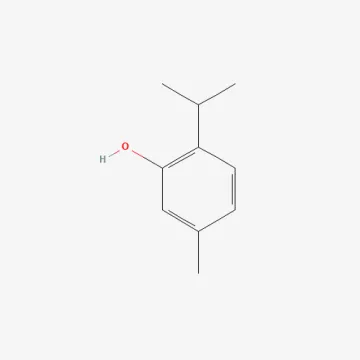
Thymol
Description
Mode of action
Thymol is a natural monoterpene phenol derived from the essential oils of plants such as thyme. In agriculture, it is recognized as a potent bio-fungicide and insecticide, valued for its broad-spectrum antiseptic properties.
The primary mechanism of action involves the disruption of the cell membranes of pathogenic microorganisms. By altering the lipid structure of the cell wall, thymol causes the leakage of cellular components, leading to rapid death of fungi and bacteria.
Against insect pests and mites, thymol acts primarily through contact and fumigation. The vapors penetrate the respiratory systems of pests, exerting a neurotoxic effect that results in paralysis and death, making it an effective tool for pest control.
Due to its organic nature, thymol breaks down quickly in the environment, leaving no persistent toxic residues. This makes it an ideal candidate for integrated pest management (IPM) systems and sustainable agricultural practices.
Its effectiveness is highly dependent on ambient temperature, as its volatility allows the vapors to reach pests or pathogens located in hidden parts of plants or enclosed storage areas, ensuring comprehensive coverage.
What it targets
Thymol is used to combat various fungal diseases, including late blight, early blight, and various root rots. It is particularly effective at controlling soil-borne pathogens in the root zone.
In the beekeeping industry, thymol is a standard treatment for the control of Varroa mites, demonstrating high efficacy while maintaining safety for the bees when applied according to specific protocols.
Seed treatment with thymol-based products helps reduce the initial pathogen load, providing protection for seedlings against seed-borne and soil-borne infections during the critical early stages of germination.
The substance also plays a role in post-harvest protection, as it is effective at preventing the growth of molds and protecting grain stores from various types of storage pests.
In greenhouse conditions, thymol is employed to suppress populations of spider mites and prevent the spread of powdery mildew, offering a safer alternative to conventional synthetic pesticides.
Rates and timing
Application rates for thymol depend on the specific formulation and the target organism. Manufacturers provide precise dosage guidelines for either liquid spraying or fumigation methods to ensure optimal performance.
For foliar applications, the concentration must be carefully controlled to avoid phytotoxicity while ensuring enough contact to inhibit the growth of target fungi or pests effectively.
The timing of applications is determined by scouting for pests or the appearance of early disease symptoms. In many organic farming systems, multiple applications over the growing season may be required to maintain control.
When used for warehouse fumigation, the dosage is calculated per cubic meter, considering the sealing capacity of the room and ambient temperature to achieve the required concentration of vapors.
It is essential to monitor weather conditions during field applications, as high wind speeds or extreme sunlight can reduce the efficacy and duration of the treatment by accelerating the evaporation of the substance.
Restrictions
Because thymol is highly volatile, applications in open fields during windy conditions may result in significant loss of efficacy, requiring strict adherence to appropriate timing, preferably in the morning or evening.
Direct exposure to concentrated thymol can be irritating to the skin, eyes, and respiratory tract. Protective equipment, such as gloves and respirators, should always be worn during the handling and application process.
Storage is critical for thymol products; they must be kept in airtight containers in a cool, dark place to prevent unwanted evaporation and maintain the chemical stability of the active ingredient.
Users should be cautious about exceeding recommended dosage rates, as excessive application can lead to plant injury or burning, particularly in sensitive stages of plant growth or under high heat.
While generally safer than synthetic agents, users must respect guidelines regarding beneficial insects and pollinators to ensure that the use of thymol does not disrupt the ecological balance of the agro-ecosystem.
Status in the European Union
Approved in the EU
- CAS number
- 89-83-8
- Approved from
- 01.12.2013
- Approval until
- 15.04.2028
- ADI
- 0.03 mg/kg bw/day
- ARfD
- 0.08 mg/kg bw
- AOEL
- 0.4 mg/kg bw/day
EU status is for reference only and does not replace national registration in your country.