
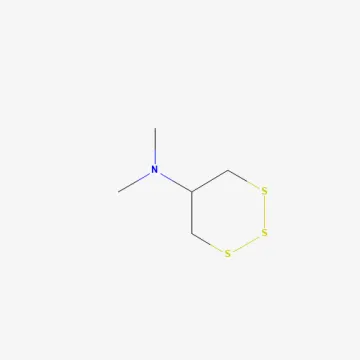
Thiocyclam
Description
Mode of action
Thiocyclam belongs to the nereistoxin analogue chemical class, originally derived from natural toxins found in marine worms. It acts as a systemic, contact, and stomach insecticide, capable of penetrating plant tissues to provide comprehensive protection against various pests.
The mechanism of action involves the blockade of nicotinic acetylcholine receptors in the insect nervous system. This disruption leads to paralysis, causing the pest to stop feeding and eventually die within a few hours of exposure to the chemical.
Thiocyclam's systemic properties allow it to be absorbed by leaves and stems, protecting parts of the plant that might not have been directly hit during the spray application. This feature is particularly useful for controlling pests that reside in sheltered areas.
The substance is effective against various developmental stages of insects, including larvae and adults. Its unique mode of action makes it an essential tool for managing pest populations that have developed resistance to traditional organophosphate or pyrethroid insecticides.
Thiocyclam remains biologically active across a wide range of temperatures, ensuring consistent pest control performance regardless of varying environmental conditions during the spraying season.
What it targets
Thiocyclam is primarily used to control a wide range of leaf-eating and sucking pests that cause significant damage to agricultural crops. It shows high efficacy against both coleopteran and lepidopteran species.
- Colorado potato beetle
- Various moth larvae and caterpillars
- Aphids and leafhoppers
- Rapeseed beetle
- Cereal bugs and shield bugs
The most effective results are achieved when the product is applied during the early larval stages, as young insects are significantly more susceptible to the toxic effects of the insecticide.
It is commonly utilized in the protection of commercial grain crops as well as vegetable production, ensuring the healthy growth of plants by minimizing insect-related damage to foliage.
Because of its ability to penetrate tissues, thiocyclam is a preferred choice for combating hidden pests that bore into plant structures, helping to preserve the integrity and yield of the harvest.
Rates and timing
Application rates for thiocyclam depend on the target crop, the density of the pest population, and the growth stage of the plants. Farmers must always consult the specific product label for precise dosage requirements.
The timing of applications should be guided by field monitoring and economic thresholds. Spraying is generally recommended during the early morning or late evening hours to avoid high temperatures and wind drift, ensuring optimal coverage.
Proper calibration of spraying equipment is essential to ensure that the required amount of active substance is evenly distributed across the field, maintaining the recommended volume of water per hectare.
Thiocyclam is often compatible with various fungicides and liquid fertilizers. However, before creating a tank mix, a compatibility test is necessary to prevent physical or chemical reactions that could reduce the product's effectiveness.
Adherence to pre-harvest intervals is mandatory to ensure that the chemical residues are within safe limits, protecting consumer health and complying with food safety standards.
Restrictions
When handling thiocyclam, strict adherence to safety protocols is required. Operators must wear appropriate personal protective equipment, including respirators, gloves, and protective clothing, to prevent skin and respiratory exposure.
The substance is highly toxic to bees; therefore, applications during the flowering period are strictly prohibited. Measures must be taken to notify local beekeepers and prevent spray drift to adjacent fields where pollinators might be active.
Contamination of water bodies must be avoided at all costs. Proper management of empty containers and washing water is required to prevent toxic substances from entering the environment or drainage systems.
Storage must be conducted in original, sealed packaging within dedicated chemical warehouses that are secure from children, unauthorized personnel, and pets, maintained at stable temperatures.
In case of accidental spills or expiration of the product, disposal must be carried out in accordance with local environmental regulations, using approved methods for handling hazardous chemical waste.
Status in the European Union
Not approved in the EU
- CAS number
- 31895-21-3
- Category (EU)
- IN - Insecticide
EU status is for reference only and does not replace national registration in your country.