
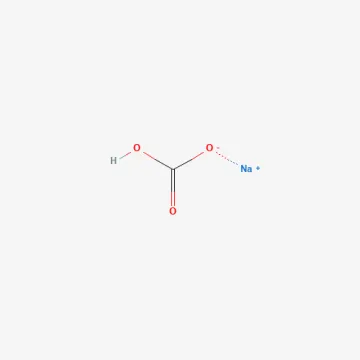
Sodium hydrogen carbonate
Description
Mode of action
Sodium bicarbonate is an inorganic compound widely recognized in sustainable agriculture as an effective contact fungicide. Its mode of action relies on the modification of surface pH, creating an environment unfavorable for the survival of fungal pathogens.
When applied, the solution alters the osmotic balance of the fungal cells. The high concentration of sodium ions causes rapid dehydration of spores and hyphae, effectively neutralizing the pathogen upon contact without damaging the plant tissue.
The substance disrupts the cell wall permeability of the fungi, which prevents the uptake of essential nutrients. This mechanical and chemical stress leads to the cessation of mycelial growth and subsequent death of the fungal organism.
Because the mode of action is strictly contact-based, the effectiveness of the treatment is highly dependent on the thoroughness of the coverage. Unlike systemic fungicides, sodium bicarbonate does not penetrate deep into the plant, making it a safe choice for edible crops.
It provides a rapid degradation rate in the environment, ensuring that no toxic residues persist. This characteristic makes it a preferred option for organic farming practices where environmental safety is a top priority.
What it targets
Sodium bicarbonate is primarily used to manage superficial fungal infections. Its most significant targets are the fungi belonging to the Erysiphaceae family, commonly known as the causal agents of powdery mildew.
It is effectively applied on a wide range of vegetables such as cucumbers, squash, pumpkins, and tomatoes grown in both greenhouses and open fields. Furthermore, it is a staple for controlling fungal growth on fruit-bearing crops like berries and grapes.
The substance also exhibits supplementary effects against gray mold and various leaf spots. While it is not a cure-all, it is a powerful tool for reducing the overall pathogen pressure in the garden.
- Powdery mildew (Erysiphaceae)
- Gray mold (Botrytis cinerea)
- Anthracnose
- Phyllosticta leaf spot
The regular use of sodium bicarbonate helps in preventing outbreaks and managing minor infestations, serving as an excellent alternative to conventional synthetic chemistry for home gardens and small-scale farms.
Rates and timing
The standard dosage for a working solution is between 0.5% and 1% concentration (5 to 10 grams per liter of water). Precision in measuring is essential to maintain efficacy while avoiding the risk of phytotoxicity.
Applications should be repeated every 7 to 10 days, depending on environmental conditions. Rainfall washes away the protective residue, necessitating reapplications to maintain a constant shield against fungal spores.
Adding a surfactant, such as horticultural soap or an eco-friendly spreader-sticker, is highly recommended to improve adhesion to leaves, especially on plants with waxy cuticles or dense foliage.
To avoid sun-induced leaf burns, which can occur due to the lens effect of the droplets, treatments should be scheduled during the early morning or late evening when the sunlight intensity is significantly lower.
Care should be taken not to overspray, as excessive application rates can lead to leaf yellowing and tissue damage. Always perform a small-scale test on a few leaves if treating sensitive or young plant varieties for the first time.
Restrictions
The primary limitation is the potential for phytotoxicity and soil chemistry alteration. Frequent application of high concentrations can lead to sodium accumulation, which may negatively impact soil structure and nutrient uptake for some plant species.
It is incompatible with most biological control agents, particularly those containing live microbial cultures. The alkaline nature of the solution effectively kills the beneficial bacteria and fungi present in bio-pesticides.
There is no residual or systemic effect, meaning that new plant growth remains unprotected. This necessitates a strict and consistent application schedule to keep plants healthy throughout the high-risk growing season.
While the substance is generally safe, direct contact with eyes should be avoided. Protective gloves and safety glasses are recommended during the mixing and spraying process to prevent minor irritation.
Proper storage is required to prevent caking, as the substance is hygroscopic. Moisture exposure can lead to the formation of sodium carbonate, which is more alkaline and potentially more damaging to delicate plant tissues.
Status in the European Union
Approved in the EU
- CAS number
- 144-55-8
- Approved from
- 01.10.2020
- Approval until
- 01.10.2035
EU status is for reference only and does not replace national registration in your country.