
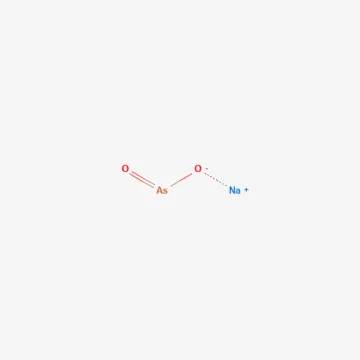
Sodium arsenite
Description
Mode of action
Sodium arsenite is an inorganic arsenic compound primarily recognized for its high toxicity and potency as a non-selective pesticide. Its mechanism involves the inhibition of vital enzyme systems within cells, specifically targeting metabolic pathways related to cellular energy production.
Upon application, the substance exerts a rapid contact effect, causing dehydration and the cessation of biological functions in weeds and pathogens. The presence of arsenic ions disrupts protein synthesis and enzymatic activity, leading to death.
The compound acts systemically in plants, being absorbed through the leaves and stem tissue. This translocation allows for the control of deep-rooted perennials that are otherwise resistant to less aggressive herbicides.
In fungi, sodium arsenite interferes with respiratory processes, effectively neutralizing infections in woody plants. Its chemical stability makes it an efficient but highly persistent treatment option.
The biological impact is significant, as the compound remains active in the environment for a considerable period, necessitating strict monitoring of any areas where it has been applied.
What it targets
Historically, sodium arsenite was utilized extensively as a broad-spectrum herbicide for total vegetation control on non-crop lands, including industrial sites, railways, and along infrastructure corridors.
In horticultural practices, it has been used as a fungicide for treating severe bark diseases, such as bacterial or fungal cankers, helping to prevent the spread of infections in fruit orchards.
The substance is effective against deep-rooted perennial weeds that pose a significant challenge to agricultural and industrial site management, providing a scorched-earth effect.
It has also seen use in specific applications for desiccation, ensuring that vegetation is sufficiently dried out prior to industrial clearing or maintenance operations.
- Control of invasive perennial weeds
- Sanitary treatment of fruit trees
- Vegetation management on industrial sites
- Suppression of bark-infecting pathogens
Restrictions
Sodium arsenite is classified as a highly hazardous substance. Due to its toxicity, it poses severe risks to human health, including acute poisoning and long-term carcinogenic effects.
Strict environmental regulations prohibit its use near waterways, wetlands, and residential areas to prevent groundwater contamination and potential ecological disasters.
Operators must wear professional-grade personal protective equipment (PPE) at all times, including specialized respiratory protection and chemical-resistant clothing to prevent absorption through the skin.
Areas treated with sodium arsenite are subject to strict re-entry intervals, and the long-term persistence of arsenic in the soil necessitates careful monitoring of future land use.
In modern agriculture, the use of sodium arsenite has been largely phased out in favor of safer, environmentally benign alternatives that offer effective protection without toxic risks.
Status in the European Union
Not approved in the EU
- CAS number
- 7784-46-5
- Category (EU)
- IN - Insecticide
EU status is for reference only and does not replace national registration in your country.