
Potassium oleate
Description
Mode of action
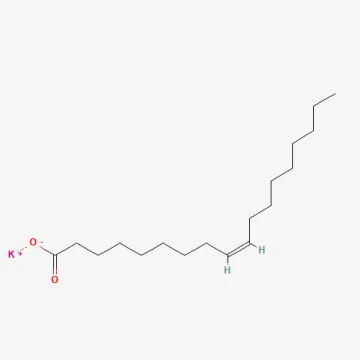
Potassium oleate belongs to the chemical class of potassium salts of fatty acids. This compound is a specialized "green" soap that affects pests exclusively through contact, having no systemic activity within the plant tissue.
The mode of action is based on the disruption of the waxy layer (cuticle) of insects and mites. When the working solution comes into contact with the pest, it dissolves the protective chitinous layer, leading to immediate dehydration of the organism.
Beyond direct contact impact, potassium oleate blocks the respiratory pathways of pests. The product coats insects in a thin film, cutting off oxygen supply, which causes the pest to perish from suffocation within a short time.
An important feature of this substance is the lack of resistance development in harmful organisms. Since the impact is physical-chemical rather than neurotoxic, potassium oleate can be used repeatedly on the same crops.
The product also has a mild cleaning effect, removing "honeydew" (excretions from aphids and scale insects) from leaf surfaces, which helps prevent the development of sooty mold.
What it targets
Potassium oleate is used as a contact insecticide and acaricide to control a wide range of soft-bodied pests in orchards, vegetable gardens, and ornamental crops.
Primary targets include:
- Aphids of all species and generations.
- Spider mites during their active development phase.
- Thrips feeding in open field conditions.
- Whiteflies (as a supplement to other control agents).
- Scale insects and mealybugs during the crawler stage.
The product works effectively on berry bushes, fruit trees, vineyards, and flowering plants without leaving toxic residues in the final produce.
Using this agent is appropriate in integrated pest management systems where environmentally safe control methods are prioritized.
On crops with a waxy bloom (e.g., cabbage), the product should be used with caution to avoid phytotoxicity caused by excessive concentrations.
Rates and timing
The application rate of the product depends directly on the pest population density and the crop type. Generally, working solutions with a concentration of 1% to 3% (100–300 ml per 10 liters of water) are used.
The most critical condition for efficacy is the quality of spraying. Since potassium oleate works only upon contact, it is essential to ensure complete coverage of the entire plant surface, especially the undersides of leaves where insects congregate.
Applications should be carried out in the early morning or evening at temperatures not exceeding +25°C. At higher temperatures, the risk of leaf burn increases significantly.
The frequency of treatments is not strictly regulated, but it is recommended to apply at 7–10 day intervals upon the appearance of new individuals or after rainfall, which washes the product off the foliage.
In tank mixes, potassium oleate can act as a spreader/sticker, enhancing the effect of other pesticides, although compatibility must always be tested beforehand.
Restrictions
Potassium oleate has a limited duration of protective action because it is easily washed off by rainfall and does not penetrate plant tissues, making it less effective during continuous rain.
It is not recommended to apply the product during the flowering period if beehives are nearby; although the substance is not highly toxic to bees, direct contact with pollinators should be avoided.
When using on young seedlings or plants with delicate foliage (e.g., cucumbers in greenhouses), it is recommended to conduct a patch test to rule out the risk of phytotoxicity.
The product may lose efficacy when used with excessively hard water, where potassium salts react with calcium and magnesium salts to form an insoluble precipitate.
Strict adherence to personal protective measures is required: wear gloves and safety goggles, as the solution can irritate mucous membranes due to its alkaline nature.
Status in the European Union
Not approved in the EU
- CAS number
- 143-18-0
EU status is for reference only and does not replace national registration in your country.