
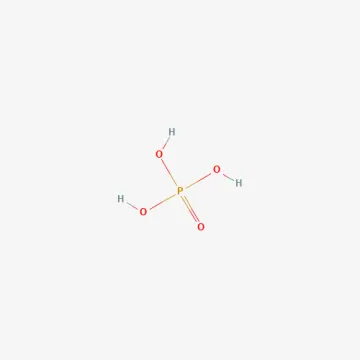
Phosphoric acid
Description
Mode of action
Phosphoric acid and its derivatives, particularly phosphites, represent a unique class of crop protection products that function as both fungicides and potent systemic acquired resistance (SAR) inducers.
The primary mechanism involves stimulating the plant’s natural defense systems to produce phytoalexins, which are endogenous compounds that act against invading pathogens.
Unlike traditional contact fungicides, phosphoric acid exhibits significant systemic mobility, moving through both xylem and phloem to protect both foliage and root systems.
The compound interferes with the metabolism of fungal pathogens, specifically inhibiting spore germination and mycelial growth, which effectively halts the progression of disease.
Furthermore, it acts as a pH regulator for spray solutions, improving the stability and performance of other integrated pesticides used in tank mixes.
What it targets
This group of substances is highly effective against oomycetes, a class of water molds responsible for some of the most destructive diseases in agricultural production.
Primary targets include late blight in potatoes and tomatoes, as well as downy mildew affecting a wide range of vegetable crops, cucurbits, and grapes.
The product also demonstrates efficacy in managing various soil-borne root rots caused by Pythium and Phytophthora species.
Beyond fungal control, its acidic nature provides an inhibitory environment for various bacterial pathogens, offering a degree of preventative protection against bacterial blights.
- Late blight (Phytophthora infestans)
- Downy mildew (Peronospora/Plasmopara)
- Soil-borne root rots
- Various bacterial leaf infections
Rates and timing
Application rates vary based on the specific formulation, the targeted crop, and the method of delivery, which may include foliar spraying or fertigation.
For foliar treatments, recommended concentrations typically range from 0.2% to 0.5% depending on the infection pressure and the developmental stage of the crop.
Timing is critical: applications should ideally be performed preventatively before disease symptoms appear or immediately upon identifying early signs of infection.
In fertigation systems, the dosage must be precisely calculated based on irrigation volume to ensure sufficient active concentration without compromising root integrity.
The interval between treatments is generally 10–14 days, though it may be reduced during periods of high humidity and increased environmental risk.
Restrictions
Due to its chemical properties, strict adherence to personal protective equipment protocols is mandatory when handling concentrated phosphoric acid.
It is crucial to avoid tank-mixing with copper-based fungicides or calcium-rich fertilizers to prevent chemical precipitation and the loss of product effectiveness.
Equipment maintenance is vital; prolonged contact with acidic solutions can cause corrosion in metal nozzles, pumps, and irrigation piping systems.
Water quality should be monitored, as high levels of alkalinity or mineral content can neutralize the solution and reduce its overall effectiveness.
Over-application must be avoided, as excessive concentrations can cause leaf burn and physiological stress to young or sensitive plant tissues.
Status in the European Union
Not approved in the EU
- CAS number
- 7664-38-2
EU status is for reference only and does not replace national registration in your country.