
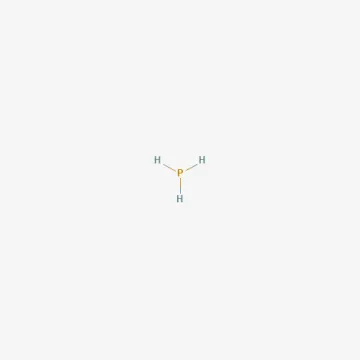
Hydrogen phosphide
Description
Mode of action
Hydrogen phosphide (phosphine, PH3) is a potent fumigant used extensively for the pest control of bulk stored grains and in commercial storage facilities.
The action is based on the release of phosphine gas through a chemical reaction between metal phosphides (aluminum or magnesium) and atmospheric humidity. This gas is highly volatile and has excellent penetrating properties.
Once inside the insect's body, the gas inhibits respiratory enzymes within the mitochondria. By blocking cytochrome c oxidase, it halts cellular respiration, causing rapid paralysis and death of the target organisms.
It is effective against all life stages of insects, including eggs, larvae, pupae, and adults, which is a major advantage for deep-seated infestations.
After the fumigation process, the gas must be completely cleared from the storage environment via forced or passive aeration to ensure the treated goods are safe for subsequent handling and human consumption.
What it targets
Hydrogen phosphide is primarily utilized to combat a wide array of stored product pests that damage grain, seeds, and processed commodities.
It is the industry standard for managing infestations in large silos and warehouses.
- Granary weevils
- Saw-toothed grain beetles
- Grain moths
- Flour beetles
- Storage mites
The fumigant is especially effective against hidden insects that bore into kernels, where contact insecticides cannot reach. This makes it crucial for maintaining grain quality standards.
It is also deployed for the treatment of empty warehouses, shipping containers, and vessel holds, helping to prevent the spread of quarantine pests in international trade.
By eliminating these pests, phosphine protects the economic value of agricultural assets and prevents the proliferation of secondary fungal issues often associated with pest activity.
Rates and timing
Application rates for hydrogen phosphide depend on the concentration required for the specific pest, the ambient temperature, and the structural integrity of the site.
Typical dosages range from 3 to 9 grams of active ingredient per tonne of grain, depending on the severity of the infestation and the expected exposure time.
The exposure period generally ranges from 3 to 10 days. Lower temperatures significantly slow the gas release rate, necessitating longer exposure times or adjustments to the initial dosage.
Technicians must monitor gas concentrations throughout the fumigation cycle to confirm that the lethal threshold is maintained consistently across the entire mass of treated material.
Following the fumigation period, a mandatory degassing phase is required, ensuring that gas levels are neutralized before the facility is reopened for work.
Restrictions
Handling hydrogen phosphide carries significant risks, as the substance is highly toxic to humans and other mammals; strict safety procedures must be followed.
Operations must be restricted to certified professionals who use full respiratory protection and adhere to local environmental and health regulations.
Maintaining a airtight seal is the most important operational limitation. If the facility is not gas-tight, the fumigant will escape, rendering the treatment both ineffective and hazardous.
Fumigation should not be performed when temperatures drop below 5–10°C, as the chemical reaction producing the gas becomes too slow to achieve the required concentration.
Precautions must be taken regarding copper and copper-based electronics, as phosphine gas can cause severe corrosion to such materials during the treatment period.
Status in the European Union
Approved in the EU
- CAS number
- 7803–51-2
- Category (EU)
- IN - Insecticide
- Approved from
- 01.04.2013
- Approval until
- 15.03.2027
- ADI
- 0.011 mg/kg bw/day
- ARfD
- 0.019 mg/kg bw
- AOEL
- 0.011 mg/kg bw/day
EU status is for reference only and does not replace national registration in your country.