
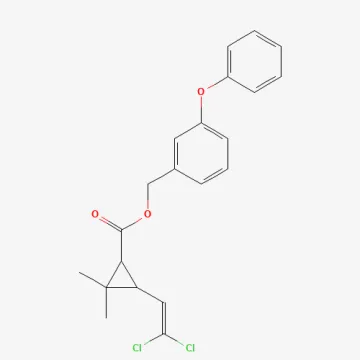
Permethrin
Description
Mode of action
Permethrin is a synthetic pyrethroid insecticide that acts as a potent contact and stomach poison, targeting the nervous system of various harmful insects.
The primary mechanism of action involves the disruption of sodium channel function in nerve cells, which leads to prolonged excitation, nerve paralysis, and rapid mortality.
The compound is well-known for its significant "knockdown effect," ensuring that pests are incapacitated shortly after contact with the treated surface.
Unlike systemic insecticides, permethrin remains on the exterior surface of the plant, requiring thorough coverage to ensure optimal control of the target populations.
Due to its high sensitivity to UV radiation, permethrin provides a relatively short period of residual protection, making it best suited for immediate knockdown applications.
What it targets
This substance is effectively used against a broad range of insect pests belonging to Lepidoptera, Coleoptera, and Diptera orders across many field crops.
It is particularly effective in controlling caterpillars, moths, leafrollers, and beetles that cause widespread damage to vegetable and fruit production.
Permethrin also provides reliable control for various flea beetles and other foliage-feeding insects, making it a versatile tool for integrated pest management.
The insecticide is frequently deployed during periods of peak pest activity to suppress populations before they reach economic injury levels.
- Caterpillars and moths (Lepidoptera).
- Beetles and larvae (Coleoptera).
- Various agricultural foliage-feeding insects.
Rates and timing
Application rates for permethrin depend heavily on the specific crop, pest pressure, and local environmental conditions during the application window.
Farmers should ensure that the spraying equipment is calibrated correctly to provide uniform coverage, which is essential for non-systemic insecticides like permethrin.
Application should ideally occur during cooler times of the day to maximize efficacy, as high temperatures may reduce the persistence and effectiveness of the compound.
Adherence to pre-harvest intervals is mandatory to ensure food safety; these intervals are defined based on the specific crop and the registered product formulation.
Rotating permethrin with insecticides having different modes of action is highly recommended to delay or prevent the emergence of resistance in pest populations.
Restrictions
Permethrin is highly toxic to bees and other beneficial pollinators, and application is strictly prohibited during the flowering stage of crops.
The substance poses a significant threat to aquatic environments; therefore, it must never be applied near water bodies or allowed to drift into aquatic ecosystems.
Proper personal protective equipment, including respirators, gloves, and long-sleeved clothing, must be worn to prevent dermal or respiratory exposure during mixing and spraying.
Spray drift must be carefully managed by avoiding applications in windy weather conditions to protect neighboring crops and sensitive areas.
Storage must be strictly in original containers, kept in a secure, cool, and dry environment to maintain the integrity of the chemical formulation.
Status in the European Union
Not approved in the EU
- CAS number
- 52645-53-1
- Category (EU)
- IN - Insecticide
EU status is for reference only and does not replace national registration in your country.