
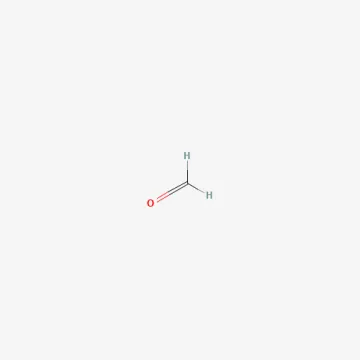
Paraformaldehyde
Description
Mode of action
Paraformaldehyde is a polymerized form of formaldehyde that acts as a reliable source of gas disinfectant. It belongs to the aldehyde chemical class and serves as a potent antiseptic in agricultural settings.
When subjected to heating or specific environmental conditions, it releases formaldehyde gas. This process is highly effective because the gaseous state allows the active ingredient to penetrate deep into surfaces, cracks, and materials.
The mechanism of action involves the alkylation of proteins and nucleic acids, leading to the rapid denaturation of biological structures. This process effectively kills bacteria, fungi, viruses, and their resistant spores.
Unlike liquid pesticides, the gas can cover large volumes and reach areas that are otherwise difficult to treat. Its strong biocidal activity makes it ideal for maintaining high sanitary standards in greenhouses and storage facilities.
The efficacy of paraformaldehyde is highly sensitive to ambient temperature and humidity. Higher temperatures increase the sublimation rate, thereby enhancing the biocidal potency of the gas released during treatment.
What it targets
Paraformaldehyde is primarily used for the sanitation and disinfection of agricultural structures, including greenhouses, glasshouses, and crop storage units. It helps eliminate mold, decay pathogens, and other microorganisms.
The substance is widely applied for the decontamination of agricultural tools, machinery, and plastic containers. This prevents the cross-contamination of pathogens between fields and storage sites.
In seed technology, it is utilized for surface disinfection of seeds. By reducing the surface-borne pathogen load, it improves germination energy and protects the emerging seedlings from early-stage soil infections.
The compound is effective against a wide range of pathogens, including various species of bacterial rots, fusarium, and other common agricultural fungi that threaten crop yields.
- Fungal pathogens
- Bacterial plant diseases
- Surface seed infections
- Mold and mildew spores
Rates and timing
The application rates are determined based on the volume of the space being treated and the level of contamination. Proper sealing of the area is essential to maintain the required concentration of gas for the duration of the treatment.
Thermal evaporation equipment is typically used to ensure the steady and controlled release of the gas. The heating process must be carefully monitored to avoid excessive temperature spikes.
For seed disinfection, the process is carried out in controlled chambers to ensure that the dosage is high enough for sterilization but does not compromise the seed embryo's viability.
After the application, a degasification period is strictly required. Adequate ventilation must be provided to clear the air of any residual formaldehyde before humans are permitted to re-enter the area.
When applying to soil or substrates, precise dosage is required to prevent residual toxicity that could inhibit plant growth. Always follow technical guidelines provided by the manufacturer.
Restrictions
Paraformaldehyde is classified as a hazardous substance. Strict adherence to occupational health and safety protocols, including the use of respirators and chemical-resistant clothing, is mandatory during handling.
It is strictly prohibited to use this chemical in the presence of humans, animals, or unprotected plants. Direct contact can cause severe skin irritation, respiratory distress, and chemical burns.
The treatment area must be completely evacuated and sealed. Proper signage must be displayed to prevent unauthorized access until the area has been fully aerated and cleared of toxic vapors.
Storage must be in a cool, dry, and well-ventilated area, away from strong oxidizing agents and alkalis. The product must be kept in its original, hermetically sealed packaging at all times.
Environmental regulations regarding the disposal of residual materials and the atmospheric release of formaldehyde must be strictly followed to minimize the ecological footprint.
Status in the European Union
Not approved in the EU
- CAS number
- 50-00-0
- Category (EU)
- IN - Insecticide
EU status is for reference only and does not replace national registration in your country.