
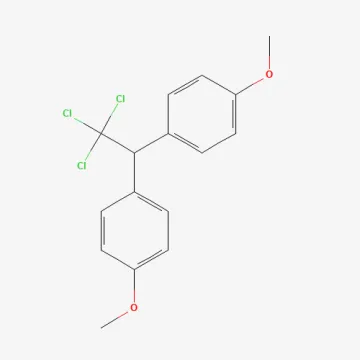
Methoxychlor
Description
Mode of action
Methoxychlor is a chlorinated hydrocarbon compound categorized as a broad-spectrum contact and stomach insecticide. It is structurally similar to DDT but exhibits different metabolic characteristics.
The mode of action involves disrupting the nervous system of insects. By altering the permeability of nerve cell membranes, it induces hyperexcitation, paralysis, and ultimately the death of the target pest.
Unlike its chemical analogues, methoxychlor is metabolized more rapidly by vertebrates, reducing its potential for bioaccumulation in the food chain, although it remains persistent in certain environments.
The insecticide does not possess systemic properties, which necessitates thorough application to ensure the product covers the target foliage where pests are feeding or moving.
It remains stable under sunlight, providing a sustained residual effect that protects crops against re-infestation for an extended period after the initial treatment.
What it targets
This active ingredient is primarily used to control a wide variety of insect pests, including beetles, caterpillars, and flies that damage agricultural and horticultural crops.
It is effective against various leaf-eating insects, such as weevils and various species of leaf beetles, which cause significant damage to grains, vegetables, and ornamental plants.
The compound is also utilized for fruit tree protection, specifically targeting pests like the codling moth and other orchard insects that compromise fruit quality.
In addition to field applications, it has been used in livestock management to control external parasites such as lice and flies, provided that usage protocols are strictly followed.
Storage facilities and seed treatment sectors have historically employed methoxychlor to prevent damage to stored commodities by insects, provided direct food contact is avoided.
Restrictions
Usage of methoxychlor is heavily restricted or banned in many jurisdictions due to its persistence in soil and its high toxicity to aquatic life, particularly fish and invertebrates.
Operators must utilize personal protective equipment, including gloves, respirators, and eye protection, to minimize exposure during mixing and application processes.
Environmental precautions are critical: the product must not be sprayed near water bodies or during weather conditions that promote drift to non-target areas or water sources.
Strict adherence to pre-harvest intervals is mandatory to ensure that chemical residues in harvested crops stay within the legally permitted limits for human consumption.
The insecticide is highly toxic to honey bees; therefore, applications must not occur during the blooming period of crops or when bees are actively foraging in the area.
Status in the European Union
Not approved in the EU
- CAS number
- 72-43-5
- Category (EU)
- IN - Insecticide
- ADI
- 0.1 mg/kg bw/day
EU status is for reference only and does not replace national registration in your country.