
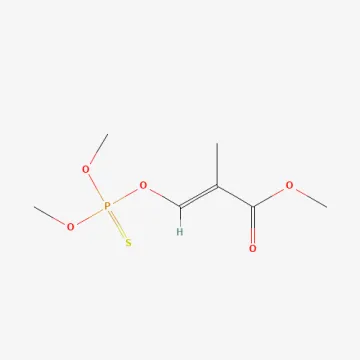
Methacrifos
Description
Mode of action
Methacrifos belongs to the organophosphate chemical class, which function primarily by inhibiting the cholinesterase enzyme within the nervous system of insects.
The mode of action involves disrupting nerve signal transmission at the synapses, leading to rapid paralysis and subsequent mortality of the target pests.
These products demonstrate strong contact and stomach action, effectively neutralizing insects both through direct spray contact and ingestion of treated plant surfaces.
The substance possesses slight systemic properties, allowing it to penetrate the outer tissues of the leaves to control pests sheltered within the plant surface.
Its high initial toxicity provides an immediate knockdown effect, which is critical for managing severe pest infestations in various agricultural systems.
What it targets
Methacrifos is utilized to control a broad range of chewing and sucking insects that pose a threat to agricultural productivity.
Key targets include various species of aphids, thrips, and leafhoppers that commonly infest fruit trees and vegetable crops.
The group also shows significant efficacy against lepidopteran larvae, including various types of moths and caterpillars that cause damage to leaves and stems.
In certain formulations, the compound may also suppress mite populations, providing a broader spectrum of pest control within the field.
- Aphid populations in vegetable crops.
- Lepidopteran larvae on horticultural crops.
- Thrips on decorative and field plants.
Rates and timing
Application rates are determined by the crop type and the density of the pest population, typically ranging from 0.5 to 1.5 liters of formulation per hectare.
Treatments should be performed during the active vegetative stage of the crop, ideally during the early morning or evening to ensure optimal biological activity.
Achieving thorough coverage of the foliage is essential to maximize the contact-based efficacy of the active substance against the target organisms.
To mitigate the risk of pest resistance, it is advised to rotate these products with pesticides from different chemical classes throughout the season.
A pre-harvest interval of 20 to 30 days is generally required, depending on specific regulatory requirements and the type of treated crop.
Restrictions
Safety procedures require operators to wear appropriate personal protective equipment, including respiratory masks, gloves, and protective clothing.
The substance is highly toxic to bees and other beneficial insects; therefore, application during the flowering stage is strictly prohibited.
Care must be taken to prevent drift and runoff, as the compound poses significant risks to aquatic life and can contaminate water sources.
Products must be stored in original, well-sealed containers in a cool, dry place, away from sunlight and out of reach of unauthorized personnel.
Disposal of unused chemical solutions must adhere to local environmental regulations to prevent contamination of soil or groundwater systems.
Status in the European Union
Not approved in the EU
- CAS number
- 30864-28-9
- Category (EU)
- IN - Insecticide
- ADI
- 0.006 mg/kg bw/day
EU status is for reference only and does not replace national registration in your country.