
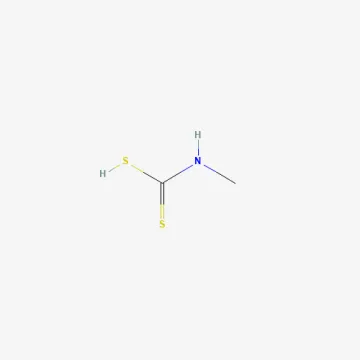
Metam (including metam-sodium and metam-potassium)
Description
Mode of action
Metam (salts of methyldithiocarbamate) belongs to the dithiocarbamate chemical class. In the soil, the substance degrades to form methyl isothiocyanate, a volatile compound that acts as the primary active fumigant component.
The mode of action involves inhibiting respiratory cycle enzymes and protein synthesis in target organisms. The gaseous phase of metam penetrates deeply into soil aggregates, ensuring sterilization of the treated layer.
The product exhibits strong contact activity. It affects cells by damaging their membranes, which leads to the rapid death of pathogens, insects, and germinating weed seeds.
Correct soil distribution is critical for efficacy. Fumigant action is maximized in the presence of moisture, which triggers the degradation process of the active ingredient.
The efficacy of metam is limited by the rate of gas evaporation from the soil; therefore, surface sealing or the use of plastic films is necessary after application to retain the active phase.
What it targets
Metam is used as a broad-spectrum soil fumigant. It is effective against most soil-borne fungi, including those responsible for root rots, fusarium wilts, and verticillium wilts.
The product actively destroys parasitic nematodes and the larvae of soil-dwelling insects, such as wireworms, mole crickets, and white grubs.
Metam application allows for effective control of various annual and perennial weed seeds that are in the process of germinating within the topsoil layers.
Primary areas of use include greenhouse soils, nursery beds for berries and ornamental plants, and fields intended for intensive vegetable and potato production.
The use of the product is justified in high-pathogen environments where biological control methods are insufficient to sanitize the soil before planting.
Rates and timing
Application rates for metam vary significantly based on soil type (texture), the level of infestation, and the method of application (drip irrigation, soil injection, or drenching followed by incorporation).
The optimal time for application is autumn or early spring, at least 3–4 weeks before seeding or transplanting. The soil should be well-warmed (above +10°C) and adequately moist.
After application, sealing the soil surface with plastic film or using rollers is recommended to prevent the premature escape of methyl isothiocyanate into the atmosphere.
A crucial step is the aeration period. Before planting, it is essential to ensure that no odor of the fumigant remains to avoid phytotoxicity to crops.
A cress-seed germination test is often conducted on soil samples taken from the treatment depth to confirm the environment is safe for subsequent crops.
Restrictions
Metam is a toxic compound. Handling requires strict adherence to safety protocols and the use of personal protective equipment for the respiratory tract, skin, and eyes.
Application near the root zones of existing trees and shrubs is prohibited, as the fumigant causes immediate plant mortality.
At high soil temperatures, efficacy may decrease due to excessively rapid gas evaporation. Conversely, in waterlogged or very dense soil, the gas may not distribute uniformly.
Drift to adjacent areas must be avoided, as volatile decomposition products can damage sensitive agricultural crops currently in the growing phase.
After fumigation, thorough soil cultivation is required to remove residual gas before beginning any further agricultural operations on the site.
Status in the European Union
Approved in the EU
- CAS number
- 144-54-7
- Approved from
- 01.07.2012
- Approval until
- 15.11.2027
- ADI
- 0.001 mg/kg bw/day
- ARfD
- 0.1 mg/kg bw
- AOEL
- 0.001 mg/kg bw/day
EU status is for reference only and does not replace national registration in your country.