
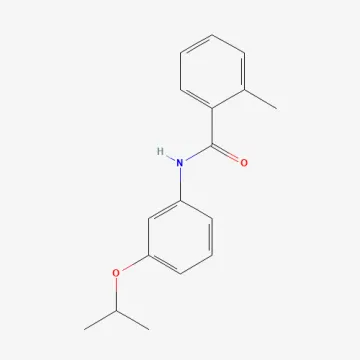
Mepronil
Description
Mode of action
Mepronil belongs to the anilide chemical class and acts as a highly effective systemic fungicide. Its primary function is to suppress the metabolism of pathogenic fungi, making it an essential tool in intensive agricultural production.
The mode of action of this substance is based on inhibiting the succinate dehydrogenase enzyme in the Krebs cycle of the fungal cell. This disrupts the pathogen's respiration process, blocking the production of ATP (energy) required for its growth and reproduction.
Due to its high systemic properties, the substance is rapidly absorbed by vegetative plant parts and translocated through the xylem. This provides protection for both the plant parts directly hit by the spray and the new growth appearing after treatment.
Mepronil possesses both curative and preventive effects. It is capable not only of preventing infection but also of halting disease progression during early stages by inhibiting the formation of mycelium and fungal spores.
Unlike contact fungicides, it is resistant to washout by rainfall soon after application. This allows it to maintain protective effects under unstable, humid weather conditions when the risk of pathogen development is at its highest.
What it targets
This fungicide specializes in controlling diseases caused by basidiomycete fungi (Basidiomycetes). Primarily, it demonstrates excellent effectiveness against various species of rust affecting cereal crops.
The main area of application is the control of rust fungi: brown rust, stem rust, and yellow rust in wheat. These diseases can quickly reduce grain yields by 30–50% if not managed effectively.
The product is also used for the control of Rhizoctonia on various crops, including rice, potatoes, and vegetable crops. It effectively suppresses the development of the fungus in the root zone.
It is effective against fungi of the Corticium and Thanatephorus genera, which attack the root collar and plant stems. Using Mepronil helps prevent crop lodging caused by various rot diseases.
- Rust diseases of cereals
- Rice sheath blight (Rhizoctonia)
- Root rots of vegetable crops
- Fungi causing basidial spotting
Rates and timing
Application rates for Mepronil directly depend on the intensity of the disease pressure and the growth stage of the crop. Usually, the product is applied during the period of intensive plant growth upon the first signs of infection.
For field crops, the average rate of application ranges from 0.5 to 1.5 liters (or kilograms) of active ingredient per hectare. Precise dosages must strictly follow the regulations provided in the product's specific instruction manual.
Treatments are recommended to be performed preventively or upon the discovery of the first rust pustules on the leaves. Subsequent applications should be performed at intervals of 14–21 days if conditions remain favorable for epiphytotic development.
An important requirement is the high-quality coverage of the leaf surface with the working solution. Using quality sprayers and maintaining proper spray volume (from 200 to 400 liters per hectare) ensures maximum contact between the active substance and the pathogen.
Pre-harvest intervals (PHI) typically last at least 20–30 days, which must be taken into account when planning treatments for late-maturing crop varieties.
Restrictions
Mepronil is a moderately toxic compound for warm-blooded animals and bees. When handling the product, it is necessary to wear standard personal protective equipment (PPE): a respirator, chemical-resistant gloves, and a protective suit.
Treatments during active bee foraging hours are prohibited. It is advised not to allow the working solution to enter water bodies or drinking water sources due to its toxicity to fish and aquatic life.
The product should not be used in tank mixes with highly alkaline pesticides, as this may lead to the chemical degradation of the active ingredient and loss of its biological activity.
It is not recommended to perform more than two treatments per season with the same active ingredient to avoid the development of resistant fungal strains. It is advisable to alternate Mepronil with fungicides from other chemical groups.
Storage must be in dry, well-ventilated warehouse facilities, kept out of the reach of children and pets, at the temperature specified by the manufacturer on the original packaging.
Status in the European Union
Not approved in the EU
- CAS number
- 55814-41-0
- Category (EU)
- FU - Fungicide
EU status is for reference only and does not replace national registration in your country.