
Mancopper
Description
Mode of action
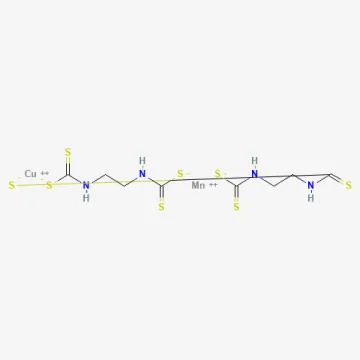
Mancopper refers to a group of combined fungicides that incorporate organic dithiocarbamates (mancozeb) and inorganic copper compounds. This synergy provides both preventative protection and strong antiseptic properties against a wide range of pathogens.
The mechanism of action relies on multi-site inhibition within the fungal cell. Copper ions disrupt the cell membranes of spores, while mancozeb interferes with essential enzymatic processes, specifically protein synthesis and the Krebs cycle.
This dual-action approach prevents the pathogen from forming energy, effectively stopping its development. Because of this multi-site activity, the risk of fungal resistance developing is significantly lower compared to systemic fungicides.
The substance creates a protective film on the plant surface. It remains active as a physical barrier that prevents fungal spores from penetrating the leaf tissue, provided that the coverage is thorough.
These fungicides are highly effective in humid conditions, which are typically conducive to the rapid spread of fungi. They serve as a reliable tool for season-long disease management programs.
What it targets
Mancopper-based products are widely used across various agricultural sectors to manage fungal infections on vegetables, fruits, and industrial crops.
They are primarily targeted at controlling blights, such as late blight in potatoes and tomatoes. They are also essential in managing downy mildew in various vegetables including cucumbers and onions.
In fruit production, these fungicides are standard treatments for preventing apple and pear scab, as well as several leaf spot diseases that can devastate crop yields if left untreated.
The protective nature of these substances makes them effective against anthracnose and other foliage-infecting fungi that thrive in high-moisture environments.
- Late blight (Phytophthora infestans)
- Early blight (Alternaria spp.)
- Downy mildew (Peronospora destructor)
- Scab of pomaceous fruits (Venturia inaequalis)
- Anthracnose (Colletotrichum spp.)
Rates and timing
Application rates depend on the specific crop, the severity of the disease pressure, and the stage of plant development. Typical dosages range from 2 to 4 kilograms per hectare.
Proactive application is recommended, starting before the first signs of disease appear. Maintaining a consistent coverage cycle of 7 to 10 days is vital during periods of active plant growth and high infection risk.
When applying, it is crucial to ensure that the entire canopy is covered, as these products do not translocate within the plant. Poor coverage results in unprotected zones prone to infection.
The tank mix should be prepared just before use. Consistent agitation during the spraying process is required to keep the active ingredients uniformly suspended in the liquid.
To prevent soil accumulation, the total number of applications per season is generally restricted to 3–4 treatments. Always consult the label for regional specificities.
Restrictions
Strict pre-harvest intervals (PHI) must be followed to ensure consumer safety. Residue levels on crops are regulated to ensure they fall within acceptable safety limits.
These products should not be mixed with highly alkaline substances, as this can degrade the active components and lead to the precipitation of the formulation, rendering it ineffective.
Personal protective equipment (PPE), including gloves and respiratory protection, is mandatory during handling and application to prevent irritation or ingestion of the chemical.
Mancopper is toxic to aquatic life. Applications must be conducted with care to avoid drift into ponds, streams, or any water bodies, ensuring environmental safety protocols are strictly met.
Storage must be in a cool, dry, and well-ventilated area. Keep the containers tightly sealed and out of reach of unauthorized personnel and livestock to avoid accidental contamination.
Status in the European Union
Not approved in the EU
- CAS number
- 53988-93-5
- Category (EU)
- FU - Fungicide
EU status is for reference only and does not replace national registration in your country.