
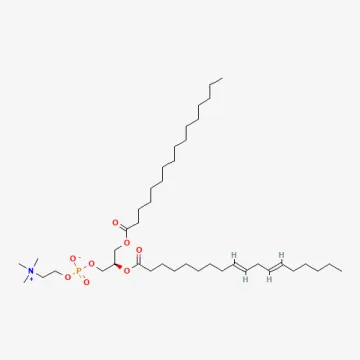
Lecithin
Description
Mode of action
Lecithin is a group of phospholipids typically derived from soybean or sunflower oil. In agriculture, it serves as a contact biofungicide that reinforces the natural physical defense barriers of plants against various pathogens.
The primary mechanism of action involves the formation of a fine, protective lipid film on the surface of leaves and fruits. This physical barrier prevents fungal spores from germinating and penetrating the plant tissue, effectively stopping disease progression.
Beyond its direct fungicidal effect, lecithin functions as an excellent adjuvant. It improves the wetting and adhesive properties of spray solutions, ensuring better coverage of leaves that are hydrophobic or have dense pubescence, thus increasing the efficiency of plant protection products.
Lecithin promotes systemic acquired resistance (SAR) in plants by stimulating natural metabolic processes. This helps the crop manage biotic and abiotic stress, making it more resilient to environmental fluctuations.
As a natural, biodegradable substance, lecithin leaves no harmful residues in the soil or produce. It is safe for humans, bees, and beneficial insects, making it an ideal choice for sustainable and organic agricultural practices.
What it targets
Lecithin is primarily used to prevent and mitigate a wide range of fungal diseases in vegetables, fruits, and ornamental crops. It is most effective against pathogens that initiate infections on the plant surface.
- Powdery mildew on grapes and berries.
- Late blight on tomatoes and potatoes.
- Various types of rust in field crops.
- Leaf spot diseases and gray mold.
The product is best utilized as a preventive measure; therefore, applications should begin before mass infection occurs. Regular preventative spraying keeps pathogen populations under control throughout the growing season.
Lecithin is widely used in orchards, greenhouses, and high-value vegetable crops. Due to its non-toxic nature, there is no waiting period for harvest, allowing flexibility for farmers in organic production systems.
Since lecithin does not act through chemical interference with fungal enzymes, the risk of resistance development is virtually zero, allowing for repeated applications without loss of performance.
Rates and timing
Application rates for lecithin range from 0.5 to 2.0 liters per hectare, depending on the crop type and the level of infection risk. The goal is to achieve uniform coverage of all aerial parts of the plant.
Spray intervals are typically 7 to 14 days, adjustable according to weather conditions and disease pressure. During high-humidity periods that favor fungal growth, more frequent applications are recommended to maintain the protective film.
To prepare the solution, lecithin must first be emulsified in a small volume of water with constant stirring, then gradually added to the full volume of water in the spray tank to ensure a stable emulsion.
When mixing with other fertilizers or pesticides, it is essential to conduct a compatibility test. This prevents the formation of precipitates that could clog equipment or reduce the efficacy of the active components.
Applications should ideally take place during cool hours of the day to ensure the lipid film settles properly on the plant surface without rapid evaporation of the water carrier.
Restrictions
While lecithin is considered safe, standard safety protocols, including the use of personal protective equipment, should be followed. Direct contact with eyes and prolonged exposure to skin should be avoided.
The efficacy of lecithin depends heavily on the quality of the spraying process. Because it functions as a physical barrier, incomplete coverage leaves gaps that fungi can exploit, necessitating high-quality spray equipment.
Storage should be in a cool, dark place to maintain the integrity of the emulsion. Extreme temperatures or direct sunlight can cause phase separation, which diminishes the product's ability to spread evenly on foliage.
Water quality, specifically high mineral content, may affect the stability of the emulsion. If using hard water, the addition of water conditioners is recommended to maintain the functional properties of the lecithin.
Heavy rainfall shortly after application may wash away part of the protective layer. Ideally, applications should be planned during a window of dry weather to allow the film to stabilize on the plant surface.
Status in the European Union
Not approved in the EU
- CAS number
- 8002-43-5
- Category (EU)
- FU - Fungicide
EU status is for reference only and does not replace national registration in your country.