
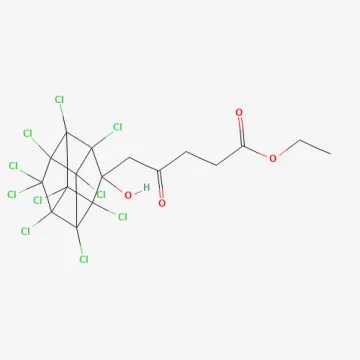
Kelevan
Description
Mode of action
Kelevan belongs to the group of chlorinated hydrocarbons, structurally related to chlordecone. The substance exhibits pronounced insecticidal activity, which occurs primarily through the ingestion route of entry into the insect's body.
The mechanism of action of the product involves disrupting the normal functioning of the pest's nervous system. Active components induce persistent excitation followed by paralysis and eventual death of the insect due to the cessation of vital biological functions.
Unlike many contact poisons, Kelevan demonstrates high stability on plant surfaces, providing a prolonged protective effect. This allows for reduced application frequency during the period of peak pest activity.
The product's action is characterized by a gradual development of poisoning symptoms. Pests consuming treated plant parts lose the ability to feed within hours of contact with the substance.
The product may exert specific effects on the metabolic processes of pests, making it an effective tool in integrated pest management (IPM) programs aimed at controlling resistant populations.
What it targets
The primary use of Kelevan in agriculture is for the control of a wide spectrum of chewing insects. It is particularly effective against various species of beetles and their larvae, which can cause significant crop damage.
The product has been frequently used to protect potatoes and other vegetable crops from the Colorado potato beetle. High toxicity to adults and larvae allows for the rapid containment of infestation hotspots in fields.
Kelevan is effective against pest species that have a cryptic lifestyle or possess high resistance to organophosphate compounds. Its use is justified when economic injury thresholds are exceeded.
The substance is also used to control populations of certain weevil and leaf beetle species. Due to its stability, it retains efficacy even under unfavorable weather conditions following application.
It is important to note that the product's spectrum of activity is limited primarily to pests with chewing mouthparts, as the main route of toxin uptake is by consuming treated plant tissues.
Rates and timing
Application rates for the product vary depending on the type of crop, the severity of infestation, and the pest's developmental stage. Precise dosages are determined according to the regulations established for specific formulations.
Optimal application timing coincides with the period of mass larval emergence or peak adult activity. Timely application minimizes crop losses and prevents damage to young foliage.
When working with Kelevan, it is crucial to ensure uniform coverage of the entire leaf surface. Ground spraying is the primary method of application to achieve maximum protective efficiency.
The frequency of applications per season is strictly regulated to avoid the accumulation of active substance residues in the marketable part of the harvest. Exceeding established pre-harvest intervals is strictly prohibited.
To prepare the spray solution, use clean water and strictly adhere to the concentration specified by the manufacturer, ensuring thorough mixing of components within the sprayer tank.
Restrictions
Kelevan is a highly toxic compound requiring strict adherence to personal protective measures. Personnel must use special protective suits, respirators, and gloves to eliminate contact with skin and the respiratory system.
The product has the ability to accumulate in the environment; therefore, its use near water bodies, apiaries, and residential areas must be entirely avoided to prevent environmental harm.
There are strict environmental restrictions on the use of chlorinated hydrocarbons in many countries. Before use, it is essential to verify current registration status and compliance with local environmental legislation.
Special attention should be given to protecting beneficial entomophagous insects and bees. Application of the product during the flowering period of crops is strictly prohibited due to the high risk to pollinators.
When disposing of product residues and containers, follow the protocols for neutralizing hazardous waste. Storage must occur in closed, cool, and well-ventilated specialized warehouses.
Status in the European Union
Not approved in the EU
- CAS number
- 4234-79-1
- Category (EU)
- IN - Insecticide
EU status is for reference only and does not replace national registration in your country.