
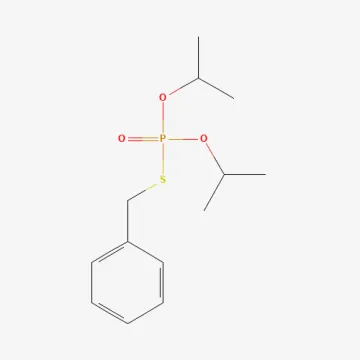
Iprobenfos
Description
Mode of action
Iprobenfos belongs to the organophosphorus chemical class (thiolphosphate derivatives). It functions as a systemic fungicide, providing both preventive and curative control.
The mode of action involves inhibiting the biosynthesis of phospholipids within the cells of pathogenic fungi. By disrupting lipid metabolism, it blocks the formation of fungal membranes and mycelial development.
The substance is characterized by its ability to be rapidly absorbed by plant tissues, either through the root system when applied to soil or via leaves during spraying, and moves throughout the plant's vascular system.
Beyond its direct impact on pathogens, Iprobenfos promotes root growth and development, which contributes to the overall physiological vigor of the rice crop.
Its systemic nature ensures that newly developed plant tissues are protected even after the initial application, providing a sustained defense against infection.
What it targets
The primary use of Iprobenfos is the control of Rice Blast (Pyricularia oryzae), which is considered the most devastating fungal disease of rice globally.
The product effectively suppresses mycelium growth and spore formation, which is crucial during periods of high humidity and moderate temperatures that favor the pathogen.
Iprobenfos also demonstrates efficacy against other fungal diseases affecting rice stems and panicles, thereby reducing the risk of lodging and grain shriveling.
It is widely utilized in intensive rice-growing regions where the disease pressure is high and persistent throughout the entire growing season.
Timely application helps minimize yield losses and maintains grain quality by effectively limiting the disease spread during early growth stages.
Rates and timing
Application rates for Iprobenfos depend on the treatment method: foliar sprays require strict adherence to the manufacturer's concentration guidelines for specific formulations.
For soil or paddy water applications, the dosage is calculated based on the field area, allowing the active ingredient to be efficiently absorbed by the plant roots.
Timing is linked to the rice phenological stages, with critical periods occurring during tillering and the booting stage when the plant is most susceptible to primary infection.
To achieve maximum protection, follow-up applications may be performed at 10–14 day intervals if environmental conditions remain favorable for disease development.
It is essential to strictly follow the pre-harvest interval (PHI) requirements to ensure that no residues remain in the harvested grain at the time of sale.
Restrictions
Iprobenfos is moderately toxic to mammals; therefore, users must wear full personal protective equipment (PPE) during mixing and application processes.
Discharge into water bodies must be strictly prohibited, as the substance is highly toxic to aquatic life and fish populations.
Treatment should be avoided during peak periods of honeybee activity to ensure environmental safety and protect beneficial insect populations.
The fungicide should not be mixed with strongly alkaline substances, as this may lead to chemical degradation and a significant reduction in efficacy.
Storage must be conducted in dry, well-ventilated areas, ensuring the product is kept in its original sealed packaging, away from children and unauthorized personnel.
Status in the European Union
Not approved in the EU
- CAS number
- 26087-47-8
- Category (EU)
- FU - Fungicide
EU status is for reference only and does not replace national registration in your country.