
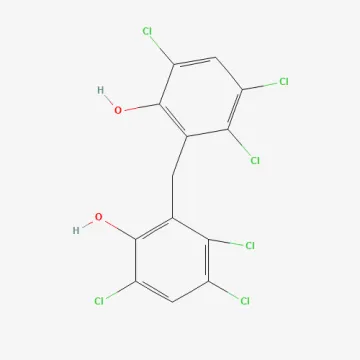
Hexachlorophene
Description
Mode of action
Hexachlorophene belongs to the chlorinated bisphenols chemical class and acts as a potent fungicide and bactericide in plant protection.
Its biological mechanism involves the uncoupling of oxidative phosphorylation, which is a critical process for energy production within microbial cells.
By disrupting the synthesis of adenosine triphosphate (ATP), the compound effectively halts the metabolic activity and reproduction of target pathogens.
The chemical's high lipophilicity facilitates rapid penetration into the cell walls of fungi, ensuring efficient inhibition of mycelial development.
This mode of action provides a rapid sanitizing effect, which is highly beneficial when dealing with severe outbreaks of fungal and bacterial diseases.
What it targets
In agriculture, hexachlorophene is utilized primarily to combat a wide range of fungal and bacterial infections across various crops.
It is effective against pathogens responsible for powdery mildew, scab, and various types of bacterial leaf spots that reduce yield quality.
The compound is commonly employed in seed treatment procedures to protect seedlings from soil-borne pathogens and decay during the germination phase.
It is also used for the disinfection of greenhouse substrates and equipment, where bacterial contamination poses a significant risk to crop health.
The application range extends to protecting horticultural crops, where the substance helps maintain sanitary conditions and prevents the spread of rot.
Restrictions
The use of hexachlorophene is subject to strict regulatory oversight due to its significant toxicity to mammals, aquatic life, and non-target organisms.
Due to its persistence in the environment, modern agricultural practices minimize its usage in favor of more biodegradable alternatives.
Strict safety protocols must be followed during application, including the use of full personal protective equipment to prevent skin and respiratory exposure.
Application near water sources is strictly prohibited to prevent toxic runoff and potential long-term damage to aquatic ecosystems.
Farmers must strictly observe the pre-harvest intervals to ensure that no harmful residue remains on the treated produce reaching the market.
Status in the European Union
Not approved in the EU
- CAS number
- 70-30-4
- Category (EU)
- FU - Fungicide
EU status is for reference only and does not replace national registration in your country.