
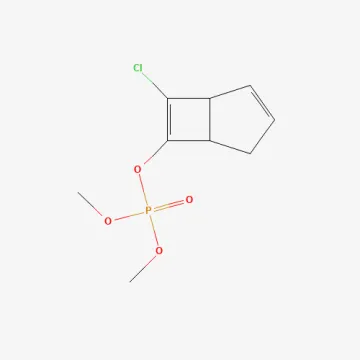
Heptenophos
Description
Mode of action
Heptenophos belongs to the organophosphate chemical class and functions as a systemic insecticide and acaricide. It exhibits both contact and stomach action, making it a versatile tool for crop protection.
The primary mechanism of action involves the inhibition of the enzyme acetylcholinesterase. By blocking this enzyme, the chemical prevents the breakdown of acetylcholine in the insect's nervous system.
This leads to an accumulation of acetylcholine, causing continuous, uncontrolled nerve impulses. Consequently, the pest suffers from paralysis and dies rapidly after exposure.
The substance possesses systemic properties, meaning it is absorbed by plant tissues and transported throughout the plant. This protects areas that were not directly hit by the spray.
Heptenophos provides a persistent protective effect, remaining stable on the plant surface and within the tissue for an extended period, which helps in managing pest populations efficiently.
What it targets
Heptenophos is used to control a wide range of sucking and chewing insects. It is particularly effective against various species of aphids, thrips, and leafhoppers that threaten field crops.
The compound is also widely applied to combat leaf miners in greenhouse and outdoor vegetable production, where these pests cause significant damage to the leaf structure.
Furthermore, it shows efficacy against certain types of mites, providing a multi-functional approach to pest control in agricultural settings and ornamental plant cultivation.
- Aphids (Aphididae)
- Thrips (Thysanoptera)
- Leaf miners (Agromyzidae)
- Leafhoppers (Cicadellidae)
- Mites (Acarina)
The insecticide acts successfully on both adult pests and larvae, ensuring a comprehensive reduction in population density during the active growth phases of the crops.
Rates and timing
Application rates for heptenophos vary depending on the specific crop and the severity of the infestation. Growers must follow label instructions to ensure optimal coverage of the foliage.
Treatment timing should be based on economic threshold levels identified through regular field monitoring. Applications are best performed during the early morning or evening hours.
It is crucial to avoid application during the blooming phase, as heptenophos is toxic to bees and beneficial insects, which are essential for pollination and biological control.
To maintain long-term efficacy, a minimum interval of 10–14 days between consecutive applications is recommended, especially in cases of heavy pest pressure.
Adherence to the pre-harvest interval (PHI) is mandatory. Depending on the crop and regional regulations, this period generally ranges from 14 to 21 days to ensure safe produce.
Restrictions
As an organophosphate, heptenophos is highly toxic and requires strict adherence to safety protocols. Protective gear, including chemical-resistant gloves and respirators, must be worn at all times.
Spray drift must be carefully managed to prevent contamination of neighboring fields, water sources, or non-target areas. Do not apply during high wind conditions.
To prevent the development of pesticide resistance, growers should practice rotation of chemical groups. Do not rely solely on heptenophos for pest management over multiple seasons.
Store the product in its original, sealed container in a cool, dry, and secure location away from the reach of unauthorized persons, food, and animal feed.
In case of accidental exposure, immediately remove contaminated clothing, wash the skin thoroughly with soap and water, and seek medical attention if symptoms of discomfort persist.
Status in the European Union
Not approved in the EU
- CAS number
- 23560-59-0
- Category (EU)
- IN - Insecticide
EU status is for reference only and does not replace national registration in your country.