
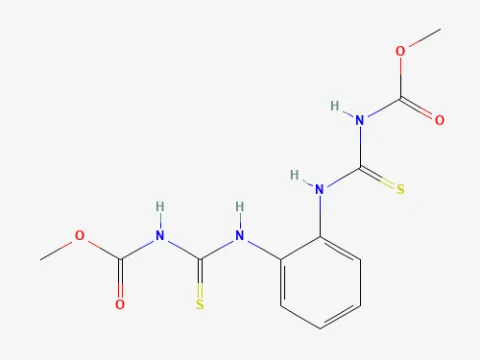
Pruning agents
Pruning sealers (wound paints, tree dressings, or pastes) are a group of specialized agricultural products designed to protect open wood surfaces following pruning or physical damage. Their primary role is to create a physical barrier between the exposed plant tissue and the outside environment.
What the section contains
Pruning agents
Most modern sealers contain fungicidal additives that actively inhibit the growth of wood-decay fungi, bacteria, and other pathogens that infiltrate through fresh cuts. By sealing the wood, the product prevents spores from settling on the moist surface.
These products are typically formulated using natural resins, vegetable oils, waxes, or specialized synthetic polymers. These materials are chosen for their ability to remain flexible over time, moving with the tree as it grows without cracking or peeling prematurely.
Advanced formulations may include growth stimulants and micronutrients. These components promote cell division in the cambium layer, effectively accelerating the formation of callus tissue which naturally closes the wound over time.
Choosing the correct sealer is vital for plant health. An effective product must provide both physical protection and antiseptic properties without interfering with the plant's natural respiration process, ensuring the tree can recover successfully.
Pruning sealers are used on a wide variety of woody plants, including fruit trees, shade trees, and ornamentals. They are essential for protecting large cuts against common pathogens like Cytospora canker, black rot, and various wood-rotting fungi.
They are also used to treat bark damage caused by sunscald or frost cracks. In these cases, applying a sealer helps stabilize the damaged area, prevents necrosis from spreading, and provides a barrier against opportunistic infections.
Sealers are commonly applied during grafting procedures to protect the union. A high-quality sealer keeps the graft site airtight and moisture-protected, which is critical for the scion and rootstock to fuse successfully.
These preparations also serve as a deterrent for boring insects. By filling the irregular texture of a fresh cut, the sealer makes the wound less attractive to pests that might otherwise seek these areas for shelter or egg-laying.
Regular maintenance of large pruning wounds is a standard horticultural practice. Protecting these areas prevents long-term structural issues, ensuring that the tree remains vigorous and productive for many years.
Application should occur immediately after the pruning cut is made. The surface should be clean and relatively dry, as optimal application requires the product to bond securely to the wood fibers without moisture interference.
Before applying the sealer, all sawdust and loose bark should be removed from the cut area. A clean surface allows for a uniform application that eliminates gaps where moisture could potentially become trapped.
Sealers should be applied in a thin, even layer using a brush or putty knife. Applying the product too thickly can lead to cracking or pooling, which reduces the sealer’s longevity and may actually encourage pathogen growth if water accumulates.
Environmental conditions must be considered, particularly temperature. Most sealers perform best within specific temperature ranges (typically above 5°C); applying them in freezing conditions can ruin the consistency and prevent proper curing.
Monitoring is recommended throughout the growing season. If the protective layer begins to peel away as the tree expands, it may be necessary to touch up the area to keep the exposed wood fully covered and protected.
Avoid using sealers that contain harsh petroleum-based solvents or toxic chemicals near sensitive young shoots or budding areas. These substances can cause severe chemical burns to the soft, tender tissues of the plant.
Do not apply occlusive sealers to "bleeding" cuts (where sap is flowing heavily) unless the product is specifically designed for high-moisture environments. Trapped sap can ferment or cause tissue rot underneath the sealed layer.
For certain sensitive species, particularly stone fruits, ensure the sealer allows for gas exchange. Over-sealing can sometimes trap too much humidity, leading to tissue stress rather than accelerated healing.
Storage of these products requires careful handling. Keep containers tightly sealed in a cool, shaded area to prevent drying out or emulsion separation, both of which render the product ineffective for future use.
Always follow safety instructions when working with chemical-based wound dressings. Wear gloves and protective gear to avoid skin contact with active ingredients that may cause irritation or localized reactions.